Culture
Wollongong Divided: Historic Grand Hotel Sparks Fierce Heritage Battle
As developers circle the iconic Keira Street landmark, locals are grappling with what it means to preserve identity in a rapidly changing city.
2 min read
Culture
As developers circle the iconic Keira Street landmark, locals are grappling with what it means to preserve identity in a rapidly changing city.
2 min read
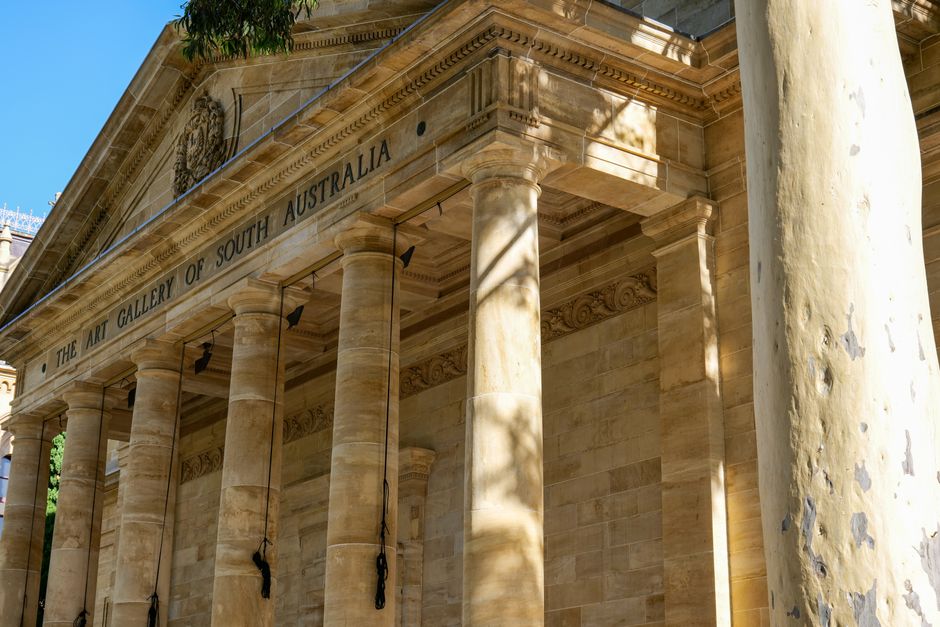
The conversation at the Wollongong Local History Museum on Market Street has shifted markedly over the past three months. Visitors aren't just browsing exhibits anymore—they're arguing. The catalyst: a proposed $180 million redevelopment of the Grand Hotel on Keira Street, the sandstone-and-brick monument that has anchored the city's commercial heartland since 1887.
The heritage dispute has crystallised a deeper anxiety about Wollongong's cultural identity. While the city has transformed dramatically—from industrial powerhouse to tech and tourism hub—many residents worry that the pace of change is erasing the physical anchors that tell their story. The Grand Hotel, with its ornate pressed-metal ceilings and wrought-iron balconies, isn't just a building. For generations of Wollongong families, it's a landmark that witnessed the city's evolution from coal-town to cosmopolitan centre.
"We're seeing this play out across the CBD," says one regular at the Australian Steelworkers Heritage Centre on Crown Street, where attendance has surged 23 per cent since the hotel controversy became public. Proposals to redevelop the venue into mixed-use apartments and retail space would retain a facade—a common compromise that critics argue amounts to heritage theatre. "A shell isn't preservation," locals argue on community Facebook groups that have grown to over 8,000 members in weeks.
The conversation reflects tensions visible globally. From war-torn cities grappling with rebuilding to stable nations questioning rapid modernisation, communities everywhere are asking: what stories matter when we change? In Wollongong, that question is intensely local. The Grand Hotel survived the Pasha Bulker coal barge crisis of 2007 that devastated nearby suburbs. It weathered the decline of the steel industry. For many, it's earned the right to endure.
Yet the city council faces legitimate pressures. Wollongong's population is projected to reach 350,000 by 2036, up from 310,000 today. Housing demand is acute. Keira Street desperately needs revitalisation—foot traffic has declined as shoppers migrate online and to shopping centres.
The Heritage Council of NSW is conducting a formal assessment, expected by September. Meanwhile, the debate has mobilised community groups and sparked three public forums at WIN Entertainment Centre. It's revealed something important: Wollongongians aren't opposed to development. They're demanding a seat at the table when decisions about their city's future are made.
The Grand Hotel vote will signal whether the city values preservation as an act of cultural citizenship—or views it as an obstacle to progress.
This article was compiled by AI and screened before publishing. See our editorial standards.
Spread the word
About this article
Published by The Daily Wollongong
Daily brief
Free, in your inbox before 7am. Weekdays.
Stay in the loop