Culture
Fashion Designers Transform Wollongong Into Emerging Creative Hub
From the laneways of Crown Street to emerging design collectives, the city's fashion sector is transforming a post-industrial landscape into a global creative hub.
2 min read
Culture
From the laneways of Crown Street to emerging design collectives, the city's fashion sector is transforming a post-industrial landscape into a global creative hub.
2 min read
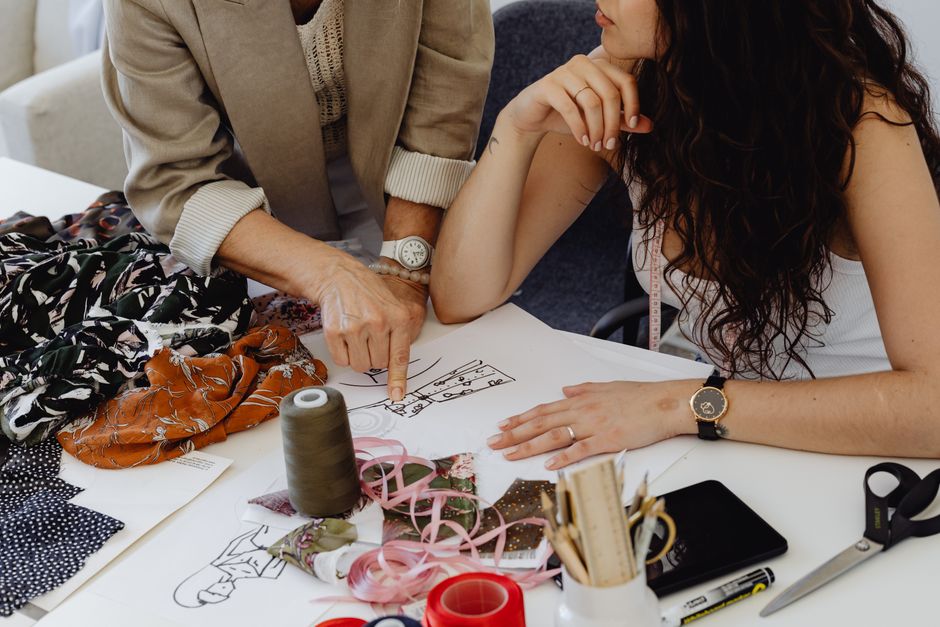
Walk through Wollongong's creative precincts today and you'll encounter a city actively rewriting its cultural narrative. Once synonymous with steel mills and heavy industry, the city's fashion and design sectors have become unlikely architects of a bold new identity—one that's drawing emerging designers, boutique retailers, and creative entrepreneurs from across the country.
The transformation is most visible along Crown Street and in the regenerated laneways of the city centre, where independent fashion labels have established themselves alongside galleries and design studios. These aren't high-fashion flagships; they're collaborative spaces where accessibility meets innovation. Local design collectives have grown from handful of practitioners five years ago to an estimated 80+ registered creative professionals working in fashion, textiles, and wearable design—a 240% increase according to Wollongong City Council's creative industries audit.
What's driving this growth? Part of it is economic reality. Rental costs for studio and retail space remain substantially lower than Sydney's inner west, allowing designers to establish themselves without the crushing overheads that force creatives into digital-only operations. A 200-square-metre street-level studio on Crown Street runs roughly $1,800-2,200 monthly—competitive with Melbourne's outer suburbs and a fraction of comparable Sydney locations.
But the story runs deeper than economics. Wollongong's fashion identity is increasingly tied to sustainability and ethical production. Several emerging labels have made conscious manufacturing central to their brand proposition, sourcing materials locally and emphasizing slow-fashion principles. This ethos resonates with the city's broader cultural values around environmental responsibility and community engagement.
The University of Wollongong's design programs have also become catalysts. Graduate fashion and textile design students increasingly stay local, establishing practices rather than migrating to traditional creative capitals. The annual Illawarra Fashion Festival, launched in 2022, now attracts over 3,000 attendees and provides crucial networking and showcase opportunities for emerging designers.
What's particularly significant is how fashion design has become intertwined with the city's post-industrial identity recovery. Rather than nostalgic references to manufacturing heritage, young designers are creating entirely new narratives—ones that position Wollongong as a place where creativity thrives independently, unbound by Sydney's gatekeeping or Melbourne's established hierarchies.
As the city continues investing in creative infrastructure and cultural programming, fashion design has emerged as more than just commerce or aesthetic expression. It's become the language through which Wollongong is actively defining who it is and who it aspires to become.
This article was compiled by AI and screened before publishing. See our editorial standards.
Spread the word
About this article
Published by The Daily Wollongong
Daily brief
Free, in your inbox before 7am. Weekdays.
Stay in the loop