Culture
Wollongong's Top Arts Galleries and Museums: Essential Guide to Must-See Venues
From contemporary installations to maritime heritage, Wollongong's cultural institutions offer world-class experiences—here's where to start.
2 min read
Culture
From contemporary installations to maritime heritage, Wollongong's cultural institutions offer world-class experiences—here's where to start.
2 min read
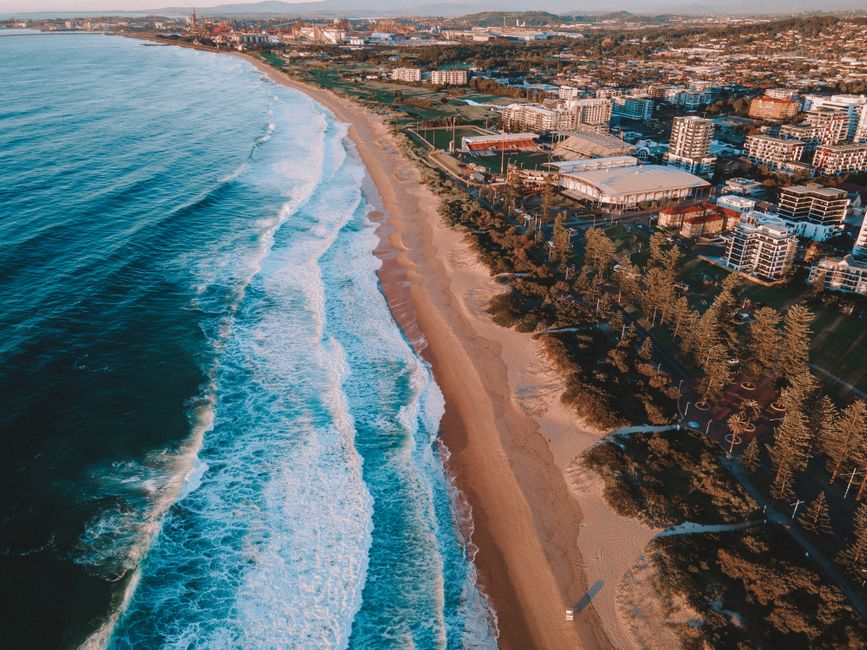
Wollongong's gallery and museum scene has matured into a sophisticated cultural destination that rivals larger Australian capitals, with venues spanning the city's revitalised waterfront precinct and heritage neighbourhoods. Whether you're planning a weekend escape or a dedicated cultural pilgrimage, understanding what's on offer and how to navigate the scene will maximise your experience.
The Wollongong City Gallery, located on Kembla Street in the city centre, remains the flagship institution. Housed in a Victorian-era building, it showcases rotating contemporary and historical exhibitions alongside its significant permanent collection of Australian art. Entry is free for the permanent galleries, with special exhibitions typically priced at $15–$20. The gallery's programming calendar extends beyond visual art into performance and public discourse, making it worth checking ahead before your visit.
The nearby Innovation Campus precinct has emerged as a cultural hotspot in recent years. The Lake Illawarra Authority visitor centre and related spaces offer insights into the region's natural heritage, while small independent galleries have sprouted along the streets feeding into the waterfront—particularly around Market Street and the Corrimal Street corridor, where artist studios and pop-up venues create an unpredictable but rewarding browsing experience.
For maritime history and industrial heritage, the Illawarra Museum on Market Street provides essential context for understanding the city's identity. The institution's focus on the region's coal, steel, and shipping industries helps visitors comprehend how Wollongong became what it is today. Many locals recommend combining this with a walk through Port Kembla's heritage precinct—the historic docks and working waterfront offer atmospheric encounters with the city's past, though facilities here are more limited.
Several smaller specialist venues deserve attention. The Gleniffer Brae Historic House Museum preserves Victorian domestic life, while rotating artist-run spaces in converted warehouses near the harbour pulse with experimental work. Check local event listings or the Wollongong City Council's cultural calendar before arriving, as programming varies seasonally.
Practical tips: Most galleries close Mondays or Tuesdays, so plan accordingly. Public transport connects the city centre to the waterfront efficiently via local buses. Street parking can be challenging during peak seasons; consider dedicated car parks near Kembla Street. Many venues offer discounted entry for students and pensioners. Summer can be crowded; autumn and winter often provide a more contemplative experience without sacrificing quality programming. Allow half a day minimum for City Gallery; a full day easily accommodates multiple venues.
The scene continues evolving, with new artist initiatives emerging regularly. Local culture publications and social media offer the most current information about openings and temporary installations.
This article was compiled by AI and screened before publishing. See our editorial standards.
Spread the word
About this article
Published by The Daily Wollongong
Daily brief
Free, in your inbox before 7am. Weekdays.
Stay in the loop