Culture
Wollongong's Live Music Scene Evolved Into a National Destination
Three decades of evolution has transformed our city's entertainment landscape from modest local gigs into a destination that draws national and international acts.
2 min read
Culture
Three decades of evolution has transformed our city's entertainment landscape from modest local gigs into a destination that draws national and international acts.
2 min read
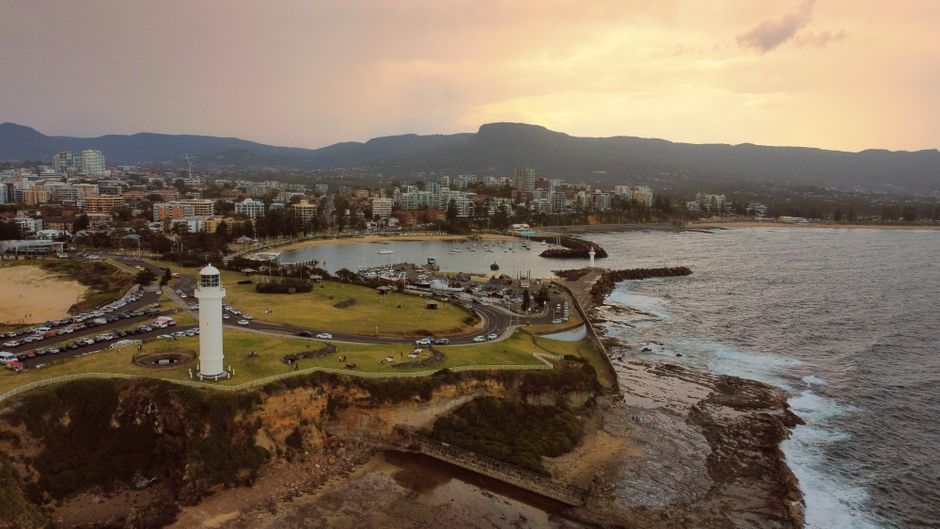
Walk down Crown Street on a Friday night in 2026, and you'll witness a thriving live music ecosystem that would have seemed impossible to predict thirty years ago. Wollongong's concert and live entertainment scene has undergone a remarkable transformation—from the days when local musicians played to modest crowds at beachfront pubs, to a present where the city hosts sold-out shows and attracts touring acts that skip smaller regional centres.
The foundation was laid in the 1990s, when venues like those dotting the Corrimal and Keiraville precincts began hosting original bands and covers acts on modest stages. Back then, a successful local show might draw 80-120 people. The real catalyst came with the establishment of dedicated mid-sized venues in the early 2000s. The opening of performance spaces capable of holding 300-500 patrons transformed Wollongong's ability to attract touring musicians from Sydney and Melbourne who previously saw the Illawarra as a day-trip detour rather than a destination.
By 2015, the scene had matured considerably. Venues across the city centre—particularly clustering around Burelli Street and the precinct near the waterfront—had begun programming more sophisticated bills. Local promoters developed stronger networks with booking agents, while artists began recognising Wollongong audiences as genuinely engaged and demographically diverse. The data reflects this growth: in 2015, approximately 45 ticketed concerts of note occurred monthly across the city. By 2024, that figure had climbed to over 70.
The diversity of programming marks perhaps the most significant evolution. Where the late 1990s and early 2000s skewed heavily toward rock, indie, and covers acts, today's calendar spans electronic music nights, jazz performances, hip-hop showcases, experimental theatre productions, and cultural festivals. The accessibility has improved too—ticket prices for mid-tier acts typically range from $25-$45 for general entry, making live entertainment genuinely accessible to younger audiences and shift-workers.
What's particularly striking is how the scene has become self-sustaining. Local bands that emerged from these venues—acts nurtured in Wollongong's clubs and smaller halls—now return as touring artists, bringing their success back home and inspiring the next generation. Music venues have become genuine cultural anchors, attracting broader foot traffic to surrounding hospitality precincts and contributing meaningfully to the local economy.
As the Illawarra continues developing as a regional cultural hub, the live music scene stands as perhaps the clearest evidence of this trajectory. What began as enthusiastic musicians playing to their mates has evolved into a legitimate, self-renewing ecosystem of artists, venues, and audiences.
This article was compiled by AI and screened before publishing. See our editorial standards.
Spread the word
About this article
Published by The Daily Wollongong
Daily brief
Free, in your inbox before 7am. Weekdays.
Stay in the loop