Culture
Wollongong's Street Art Scene: A Guide to Creative Districts
From the industrial heritage of the waterfront to the bohemian energy of inner suburbs, Wollongong's street art scene is a living gallery—here's where to look.
2 min read
Culture
From the industrial heritage of the waterfront to the bohemian energy of inner suburbs, Wollongong's street art scene is a living gallery—here's where to look.
2 min read
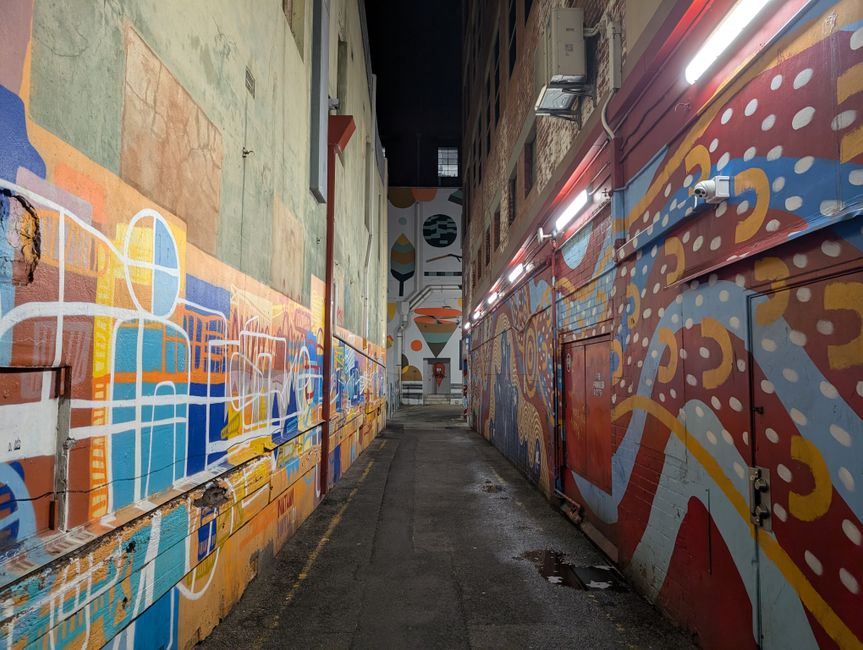
Wollongong's street art scene has transformed the city into a destination for design lovers and culture seekers. Unlike Sydney's established galleries, Wollongong's creative districts thrive on authenticity and accessibility—murals are free to explore, and artists remain deeply embedded in their neighbourhoods.
The Harbour precinct is the obvious starting point. Around Flagstaff Hill and the Crown Street corridor, massive commissioned murals by local and international artists cover warehouse walls. The area's industrial legacy—former steelworks and shipping infrastructure—provides dramatic canvases. Many pieces respond directly to Wollongong's maritime identity, making the work inseparable from place. Budget 90 minutes to wander from the Harbour foreshore upward, stopping at the independent cafes dotting Crown Street that often feature rotating local artist installations.
Keiraville represents the more experimental wing of the scene. Here, smaller laneways and residential streets host guerrilla art and artist collectives working from converted warehouses. The area's proximity to the University of Wollongong means constant creative renewal—student-led projects and emerging practitioners test ideas on public walls with tacit community support. Entry is free, but consider supporting local coffee spots or vintage bookstores that anchor the neighbourhood's cultural identity.
Stuart Park, in the inner south, has undergone remarkable regeneration through street art. What was once overlooked is now Instagram-famous, with muralists responding to community briefs about local history and identity. Walking the main streets reveals technical mastery: photorealistic portraits, intricate geometric patterns, and playful character work sit side by side.
Essential context: Wollongong's street art operates within formal council frameworks. Many murals are commissioned through the Wollongong City Council's public art programme, which supports emerging artists through grants and wall allocation. This legitimacy differentiates the scene from purely illegal tagging—artists here have support structures.
Best practices for visitors: explore on foot (parking is easier than you'd think), visit early morning for photography without crowds, and respect working-artist spaces. Many studios open during seasonal art walks; check the Wollongong Arts Centre website for dates. Expect to spend $15–25 on refreshments in each district, though the art itself costs nothing to experience.
The scene continues evolving. By 2025, the council had allocated funding to expand designated zones in Bellambi and Port Kembla—historically working-class areas now attracting serious creative attention. Wollongong's street art isn't heritage; it's active, contested, and generously open to strangers.
This article was compiled by AI and screened before publishing. See our editorial standards.
Spread the word
About this article
Published by The Daily Wollongong
Daily brief
Free, in your inbox before 7am. Weekdays.
Stay in the loop