Culture
Wollongong transforms modest local festivals into world-class annual events
Over three decades, the city has evolved from modest local celebrations into a year-round cultural powerhouse that draws visitors from across the globe.
2 min read
Culture
Over three decades, the city has evolved from modest local celebrations into a year-round cultural powerhouse that draws visitors from across the globe.
2 min read
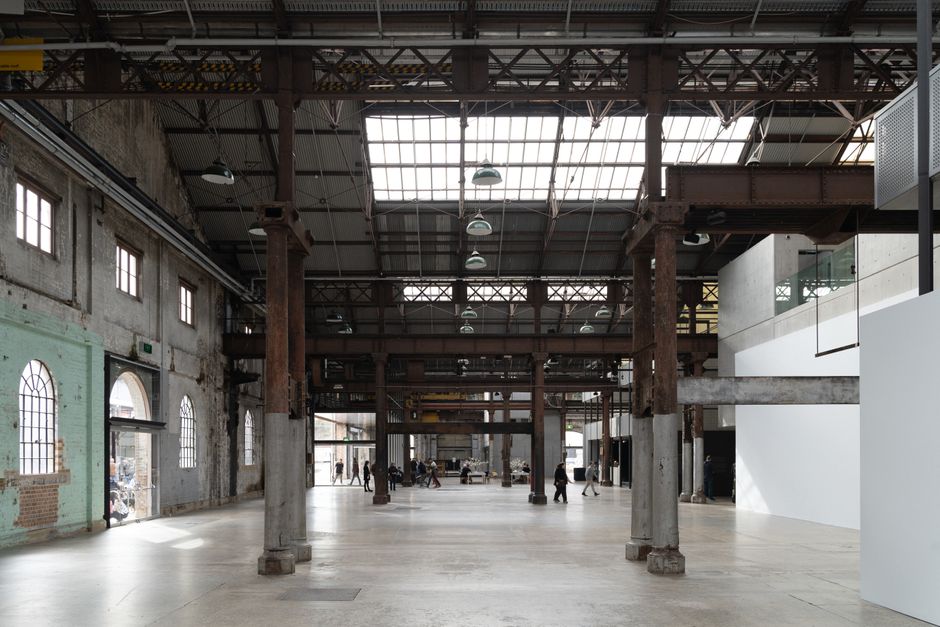
When the Wollongong Festival first launched in the early 1990s, it was a modest affair—a handful of stalls along the Crown Street mall and a few makeshift stages in Belmore Basin. Today, that same festival anchors what has become one of Australia's most dynamic cultural calendars, attracting over 300,000 visitors annually and generating an estimated $45 million in economic activity.
The transformation reflects something deeper than mere event expansion. It speaks to how Wollongong itself has reimagined its identity. Once defined primarily by its industrial heritage and beachside tourism, the city deliberately invested in cultural infrastructure starting in the late 1990s. The opening of the Illawarra Performing Arts Venue (now WIN Entertainment Centre) was pivotal, but equally important were smaller moves: upgrading outdoor spaces in Innovation Campus, establishing the Cultural Precincts along Keira Street, and supporting grassroots organisations like the Wollongong Latin Festival and the Multicultural Fair.
The calendar now reflects the city's evolving character. Winter brings the Winterfest winter music and arts series to lakeside venues. Spring sees the Corrimal Jazz Festival draw enthusiasts to the beachside suburb, while the Austral Bricks Art Prize (relocated here in 2019) has become a serious contemporary art event. Summer remains anchored by the flagship Wollongong Festival in February, but is now joined by the Port Kembla Steelworks Heritage Festival and various beach culture events.
What's striking is how these events have deepened community participation rather than creating a top-down entertainment calendar. The South Wollongong Markets, which operate fortnightly year-round, saw attendance triple between 2015 and 2025. Community groups now co-produce events: the Wollongong Libraries coordinate the annual Writers' Festival; the Illawarra Aboriginal Corporation shapes cultural programming; and the Wollongong Symphony Orchestra performs over 40 subscription concerts annually alongside educational initiatives.
Dr Sandra Chen, director of the Wollongong City Council's Cultural Development team, noted that investment in civic spaces has been crucial. Revitalisation of Coniston Park, the transformation of Harbourside precinct, and the development of pedestrian-friendly streets around Victory Theatre have made hosting events logistically viable and culturally desirable.
By 2026, Wollongong hosts over 150 significant cultural events annually—a tenfold increase from the 1990s. Ticket prices remain accessible (most festivals free entry, paid events averaging $20-50), and local venues retain autonomy in programming. The shift represents not cultural homogenisation but infrastructure maturation: Wollongong built the systems that allow genuine cultural expression to flourish.
This article was compiled by AI and screened before publishing. See our editorial standards.
Spread the word
About this article
Published by The Daily Wollongong
Daily brief
Free, in your inbox before 7am. Weekdays.
Stay in the loop