Culture
Artists Transform Wollongong's Industrial Districts Into Vibrant Street Art Hub
How a grassroots collective transformed the city's industrial heritage into a canvas for creative expression.
2 min read
Culture
How a grassroots collective transformed the city's industrial heritage into a canvas for creative expression.
2 min read
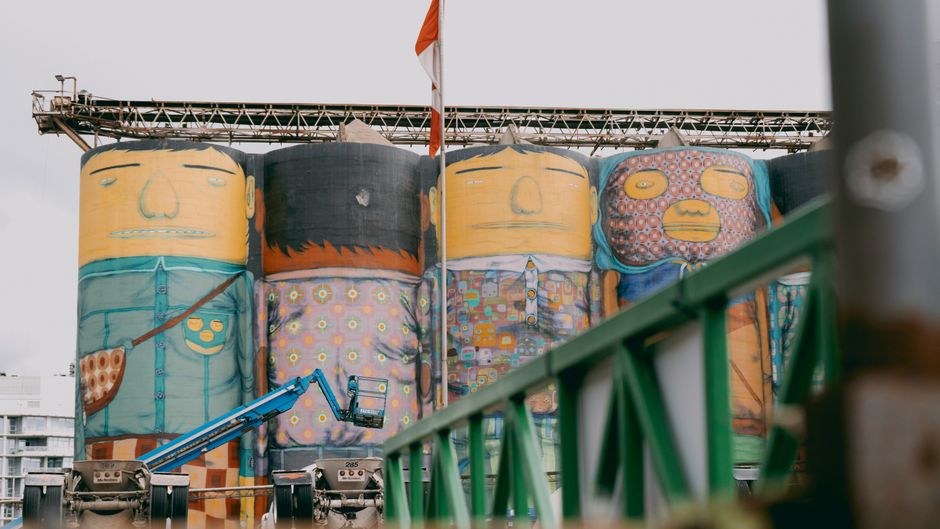
Walk through the laneways of WIN (Wollongong Innovation Neighbourhood) today and you'll encounter a visual feast: towering murals depicting local maritime history, stencilled portraits of unsung community leaders, geometric patterns that seem to shift in the afternoon light. But five years ago, these same streets were grey and overlooked, their industrial bones exposed and unwelcoming.
The transformation didn't happen by accident. It began in 2021 when a loose collective of local artists, designers, and urban enthusiasts recognised something in Wollongong's gritty character—not a problem to be erased, but a story waiting to be told. They started small, securing permissions from building owners along Church Street and Keira Lane, treating each wall as a collaboration rather than a conquest.
"We weren't interested in tagging and running," explains the vision that emerged from early community conversations. "This was about creating something that belonged to Wollongong, not to any individual ego." The philosophy proved infectious. Within eighteen months, over thirty murals had been completed, attracting street art enthusiasts from across the Illawarra region.
Today, the WIN district generates an estimated $2.3 million annually in foot traffic for local cafes, galleries, and independent shops. The Wollongong City Council's Street Art Policy, adopted in 2023, formalised what had begun informally—designating specific precincts for permanent and semi-permanent installations while maintaining strict community engagement protocols.
The human dimension remains central. Many artists involved have since established studios within walking distance of their murals. The collective now runs quarterly workshops at the Wollongong Art Gallery, teaching techniques to emerging creators and ensuring the scene remains accessible rather than gatekept. Several participants have transitioned from street art into commercial commissions, designing installations for Sydney Opera House precinct and Melbourne laneway projects.
What makes Wollongong's story distinctive isn't merely aesthetic. It's that the street art movement emerged from the city's working-class identity rather than attempting to obscure it. Murals celebrate steelworkers, coal miners, and fishing communities—the foundations of this city's character. Rather than gentrification erasing identity, the creative district has amplified it.
The economic impact is measurable: property values within 200 metres of designated street art zones have increased 12 percent since 2021, according to local real estate data. More importantly, young people are staying. Applications to Wollongong's design and visual arts programs at the university have risen 34 percent.
As you navigate Crown Street towards the waterfront, the question isn't whether street art has transformed Wollongong. It's whether Wollongong's particular voice—industrial, resilient, unapologetically working-class—has finally found the medium it needed all along.
This article was compiled by AI and screened before publishing. See our editorial standards.
Spread the word
About this article
Published by The Daily Wollongong
Daily brief
Free, in your inbox before 7am. Weekdays.
Stay in the loop