Culture
Wollongong's Fashion Visionaries Transform Industrial City Into Global Hub
Inside the creative minds and grassroots networks that transformed a rust-belt city into an unlikely fashion hub.
2 min read
Culture
Inside the creative minds and grassroots networks that transformed a rust-belt city into an unlikely fashion hub.
2 min read
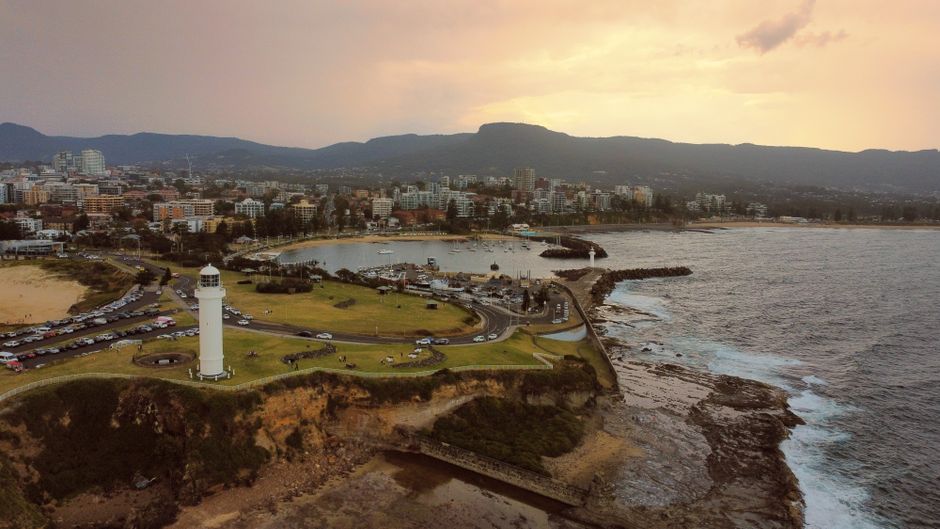
Walk down Crown Street on any given Thursday evening, and you'll witness the fruits of a decade-long creative uprising. The fashion district that now thrums with energy—boutiques, pop-up studios, and concept showrooms—didn't emerge from developer blueprints. It grew from the determination of local designers, artists, and entrepreneurs who refused to let Wollongong's post-industrial identity define its future.
In 2016, when the city's steel industry was a fading memory, a collective of five emerging designers pooled resources to establish the Wollongong Fashion Cooperative in a heritage warehouse near the Illawarra Museum precinct. What began as a shared workspace for 12 creatives—paying $280 per person monthly for studio access—has since evolved into an incubation hub housing over 60 designers at any given time. The waiting list now stretches six months.
The turning point came in 2021 when local designer initiatives began gaining traction beyond regional shows. Independent brands from the cooperative started stocking in boutiques across Five Dock and Paddington, but the real validation arrived when three Wollongong-based labels secured placement in Melbourne Fashion Week's emerging designer category. That year, local creative industries contributed an estimated $87 million to the regional economy—a figure that has more than doubled since.
Today, the scene extends beyond Crown Street into neighborhoods like Fairy Meadow and Mangerton, where converted warehouses now host design studios, textile labs, and independent label ateliers. The Stuart Park precinct has become particularly vibrant, with designers experimenting in sustainable fashion and zero-waste production methods—a philosophy rooted in the city's environmental consciousness around coal and manufacturing legacies.
What's remarkable is how this ecosystem developed organically. There's no single figurehead or major corporate investment driving it. Instead, it's built on mentorship networks, shared knowledge, and a collaborative ethos that emerged partly from necessity. Early fashion entrepreneurs couldn't afford individual studio rents, so they created alternatives. Younger designers learned from established practitioners in open studio settings. Supply chains were built through local relationships.
The Wollongong Creative Industries Alliance reports that 340 fashion and design businesses now operate in the greater Illawarra region—a 280 percent increase since 2015. More significantly, these aren't vanity projects; median annual revenues for design studios exceed $210,000, with nearly 85 percent of operations remaining locally owned.
The architects of this scene—the early pioneers who believed Wollongong could punch above its weight—remain largely unknown outside creative circles. Yet their legacy is visible every time a young designer opens a studio, every time a Crown Street boutique features local work, and every time a Wollongong brand sells across international markets. They didn't wait for the city to transform itself. They transformed it themselves.
This article was compiled by AI and screened before publishing. See our editorial standards.
Spread the word
About this article
Published by The Daily Wollongong
Daily brief
Free, in your inbox before 7am. Weekdays.
Stay in the loop