Culture
Explore Wollongong's Indigenous Heritage and Steel Industry History
From Indigenous Dharawal Country to industrial steelworks, Wollongong's cultural identity runs deep—here are the essential stops that tell the city's real story.
2 min read
Culture
From Indigenous Dharawal Country to industrial steelworks, Wollongong's cultural identity runs deep—here are the essential stops that tell the city's real story.
2 min read
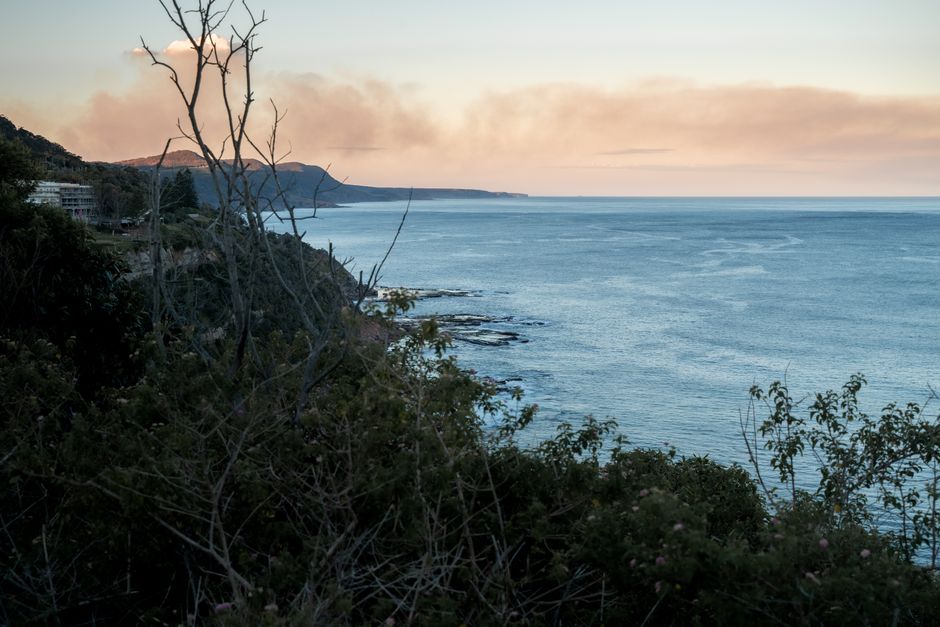
Wollongong's heritage isn't confined to museums or marked by plaques alone. It's woven into the fabric of neighbourhoods, reflected in public art, and deeply rooted in the land itself. First-time visitors often arrive expecting a coastal holiday destination, then discover a city shaped by layers of cultural identity that stretch back millennia and forward into contemporary expression.
Start by acknowledging where you actually are: Dharawal Country. The Dharawal people have inhabited the Illawarra region for over 30,000 years, and several cultural sites honour this continuity. The Somersby Falls and the escarpment walks aren't just scenic—they're sacred Dreaming pathways. The Illawarra Aboriginal Corporation, based in the city centre, can guide you toward authentic experiences beyond tokenistic tourism.
The industrial heritage that defined Wollongong for much of the 20th century deserves respect. The BlueScope Steel site on Port Kembla Road still dominates the landscape—a reminder that this city was built on the backs of workers from across Europe and beyond. The Illawarra Museum, located in the historic Lysaght House on Market Street, contextualises this migration story with rigour, not sentimentality. Entry is $12 for adults, and it's worth the afternoon.
Wollongong's cultural institutions punch above their weight. The Wollongong Art Gallery on Kembla Street hosts contemporary exhibitions that engage global conversations, while maintaining strong local programming. Crown Street, the main thoroughfare through the CBD, has undergone significant renewal in recent years, with independent galleries and heritage-listed buildings sitting alongside modern cafes. The streetscape tells a story of adaptation and survival.
The beachfront precinct—from North Beach through to Corrimal—offers more than swimming. The coastal landscape shaped Dharawal culture, early European settlement patterns, and remains central to how residents understand their home. Walking the headlands at Bellambi or Bald Head gives perspective on the region's geography and its ongoing environmental challenges.
Don't miss the smaller cultural venues: the Glasshouse at Noraville, the Old Post Office Museum in Bulli, and the growing street art scene in Keiraville. These spaces reveal how communities maintain heritage on their own terms, resisting top-down narratives.
Visit during the Wollongong Festival (typically November) or the Emerging Writers Festival to experience how the city's culture continues to evolve. Heritage, here, isn't something locked away—it's actively contested, celebrated, and remade.
This article was compiled by AI and screened before publishing. See our editorial standards.
Spread the word
About this article
Published by The Daily Wollongong
Daily brief
Free, in your inbox before 7am. Weekdays.
Stay in the loop