Culture
Wollongong's Working-Class Artists Built a Steel-City Cultural Scene
Before the galleries and the grants, before the Instagram-ready street art, a generation of makers transformed industrial grit into cultural gold.
2 min read
Culture
Before the galleries and the grants, before the Instagram-ready street art, a generation of makers transformed industrial grit into cultural gold.
2 min read
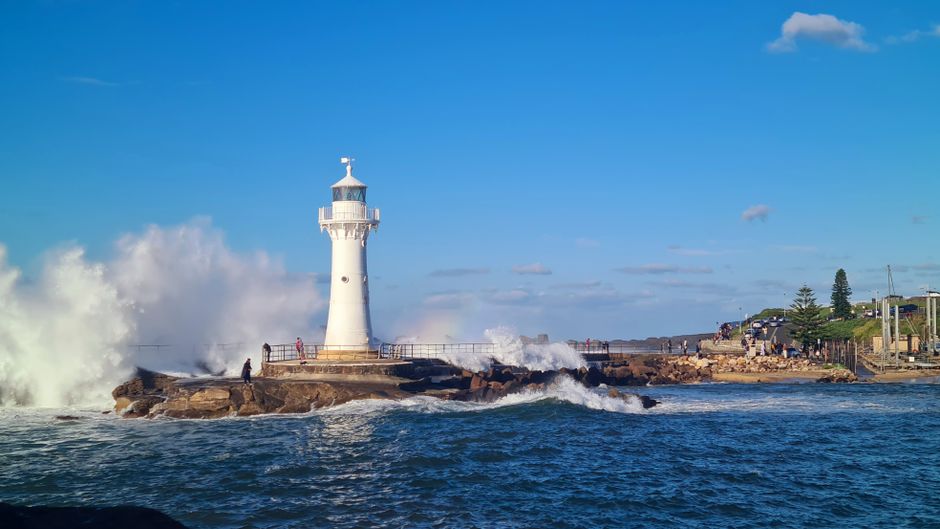
Walk through Crown Street today and you'll see murals, boutique cafes, and design studios that seem to have sprouted naturally from the sandstone. But twenty years ago, this precinct was struggling. The steel industry had contracted. Storefronts were empty. Young creative workers were leaving for Sydney or Melbourne.
What changed wasn't a government initiative or a corporate investment. It was persistence. The Wollongong cultural scene—from the thriving indie music venues around Fairy Meadow to the artist collectives that now anchor Stuart Park—emerged from conversations in back rooms and late-night sessions in converted warehouses.
"People forget that culture doesn't happen by accident," says the team at Wollongong City Libraries' local studies collection, where archived zines, photographs, and exhibition catalogues document this transformation. The archive holds thousands of records from small independent galleries that operated on shoestring budgets between 2008 and 2018. Many have since closed, but their legacy runs through every cultural institution in the city.
The Wollongong Arts Centre, now a anchor of the cultural precinct, began as a much smaller operation. Early visual artists—painters, sculptors, photographers documenting the post-industrial landscape—exhibited in community halls and shopfronts for entry fees of just $5. These weren't fashionable events. They were necessity-driven, born from communities that had always made and created because that's what working-class neighbourhoods do.
The real story lies in the unsung infrastructure builders. The musicians who booked their own gigs at the Black Diamond Club and The Five Dock. The visual artists who mentored teenagers from Housing Commission estates in Warrawong and Port Kembla. The writers and poets who ran open-mic nights in council libraries. These weren't career moves in the conventional sense—they were acts of cultural stewardship in a city that had been written off.
Today, Wollongong's cultural economy generates an estimated $45 million annually for the local region. The creative industries employ over 2,000 people. Art trails attract visitors from across NSW. But beneath these metrics is a harder truth: this scene exists because people valued cultural expression enough to create it without guarantee of return.
As we celebrate our heritage and cultural identity, it's worth asking who we're remembering—and who we're leaving out of the story. The archives are there. The question is whether we'll keep them alive, or let the story of how this city actually built itself fade into the next renovation.
This article was compiled by AI and screened before publishing. See our editorial standards.
Spread the word
About this article
Published by The Daily Wollongong
Daily brief
Free, in your inbox before 7am. Weekdays.
Stay in the loop