Business
Wollongong tourism boom: what it costs locals
Visitor numbers surge across Illawarra. Here's how the tourism economy affects parking, dining prices, and council spending in Wollongong.
2 min read
Business
Visitor numbers surge across Illawarra. Here's how the tourism economy affects parking, dining prices, and council spending in Wollongong.
2 min read
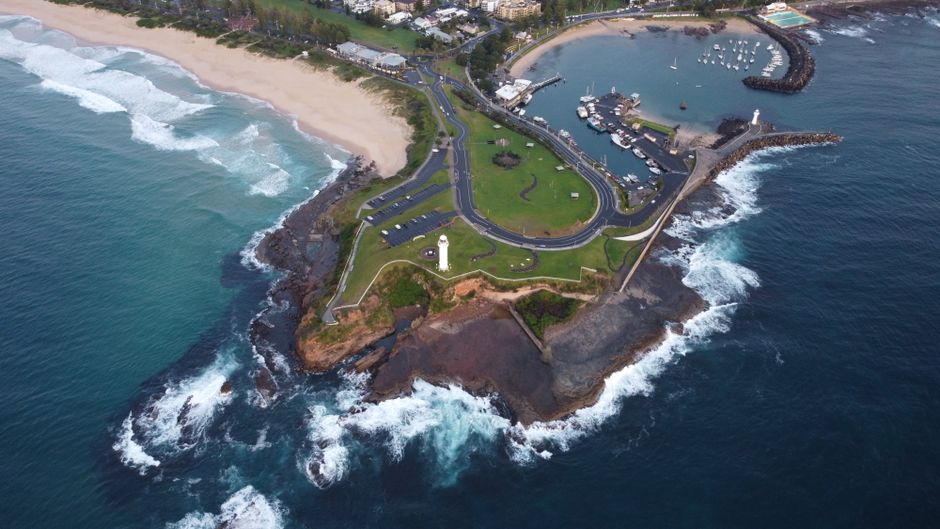
Wollongong's visitor economy is growing faster than many residents realise, and that shift is already reshaping how the city operates day-to-day. Understanding what's driving tourism here—and what it costs you as a local—matters more than you might think.
The Illawarra region attracted over 2.8 million visitor nights in 2025, according to regional tourism data, with the Wollongong CBD and coastal suburbs like Thirroul and Austinvilla becoming increasingly popular destinations. That translates directly to busier streets, higher accommodation costs, and changing business priorities on Crown Street and around the harbourfront precinct.
Here's what everyday residents should grasp: tourism dollars reshape local infrastructure spending. Council rates and planning decisions now factor heavily into visitor experience improvements. The revitalised area around Wollongong Harbour—including new dining precincts near the lighthouse and upgraded public spaces—reflects this investment priority. Whether you're driving through the CBD or parking near Belmore Basin, you're navigating a landscape designed increasingly for tourists alongside commuters.
Accommodation inflation hits hardest. Budget hotel rooms that once averaged $120-150 per night now regularly command $200+, particularly on weekends. This matters because it sets a tone for other consumer spending. When visitor numbers spike, restaurants and cafes adjust pricing upward. A modest lunch in the Wollongong Central precinct costs noticeably more in summer months than winter.
Parking pressure is real. As tourism operators expand in neighbourhoods like Fairy Meadow and around the Botanic Gardens, resident parking becomes tighter. Council has responded with planning changes, but locals competing for spaces during peak tourist season is now a regular frustration.
The employment picture, though, offers genuine upside. The hospitality and retail sectors are hiring—casual positions in accommodation, food service, and retail have grown alongside visitor numbers. For young people and those seeking flexible work, tourism-related jobs represent genuine opportunity.
What's less obvious: your local shops benefit from visitor traffic, but face higher rent expectations as landlords recognise the market shift. Independent retailers on Crown Street and in smaller shopping strips compete for foot traffic with chains that can absorb higher costs.
The bottom line? Wollongong's tourism growth isn't background noise. It's reshaping consumer costs, employment patterns, and how the city allocates resources. Whether you see it as opportunity or inconvenience often depends on how directly you're affected. Either way, recognising this economic shift helps you make smarter choices about where you shop, dine, and park.
This article was compiled by AI and screened before publishing. See our editorial standards.
Spread the word
About this article
Published by The Daily Wollongong
Daily brief
Free, in your inbox before 7am. Weekdays.
Stay in the loop