Business
Wollongong export sector braces for 2026 tariff challenges
Port of Wollongong and Illawarra manufacturers face mounting tariff uncertainty, supply chain volatility and weakening international demand in 2026.
2 min read
Business
Port of Wollongong and Illawarra manufacturers face mounting tariff uncertainty, supply chain volatility and weakening international demand in 2026.
2 min read
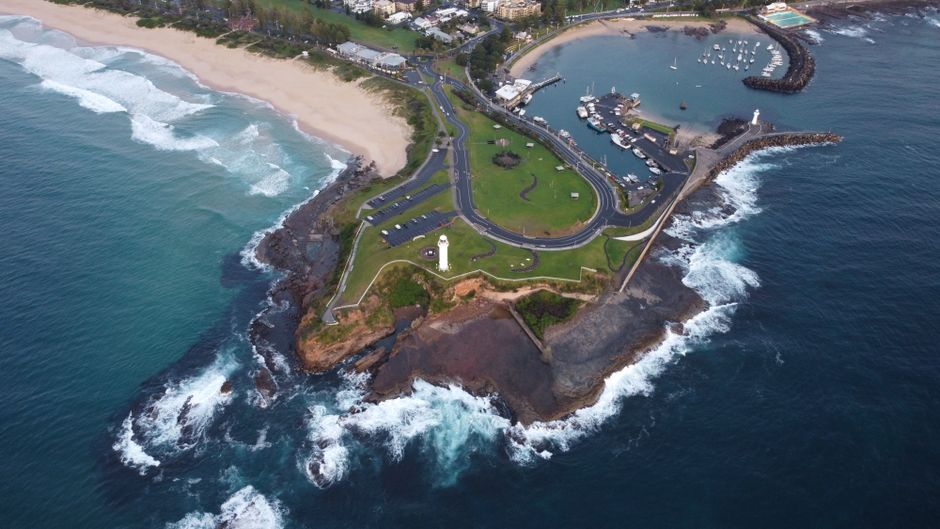
Wollongong's traditionally robust international trade sector is facing its most challenging year in over a decade, with local business leaders warning of escalating headwinds that threaten the region's export-dependent economy.
The Port of Wollongong, which handled approximately 8.2 million tonnes of cargo in 2025, is grappling with a confluence of pressures. Tariff uncertainty—particularly regarding steel and agricultural products—has left exporters scrambling to adjust pricing and delivery timelines. Several major manufacturing facilities along the Illawarra corridor report order books have tightened considerably since the start of the financial year.
"We're seeing real hesitation from international buyers," said representatives from the Wollongong Chamber of Commerce, noting that businesses operating from the innovation precinct near the University of Wollongong's Innovation Campus are increasingly exploring alternative markets in Southeast Asia and the Pacific region.
The challenges extend beyond tariffs. Supply chain volatility remains acute. Shipping costs from Port Kembla to key trading partners in North Asia have fluctuated wildly, with some containers experiencing delays of 3-5 days compared to historical norms. For time-sensitive exports—particularly fresh produce destined for Japanese and South Korean markets—these delays carry real financial consequences.
Local exporters are also contending with shifting global demand patterns. The technology sector, which has grown substantially in Wollongong's CBD and surrounding business districts, faces intensifying competition from lower-cost jurisdictions. Meanwhile, traditional heavy manufacturing continues its gradual decline, with several smaller operations consolidating or relocating to regional Queensland.
Currency volatility adds another layer of complexity. The Australian dollar's fluctuations against the US dollar and yuan have made long-term contracts difficult to price accurately. Businesses operating from the industrial precinct around Port Kembla Road report that margins on export contracts have compressed by 8-12 percent year-on-year.
Not all sectors are struggling equally. Specialised agricultural exports and certain niche manufacturing segments continue to perform, particularly those with established relationships in premium markets. However, the broader picture suggests 2026 will test the resilience of Wollongong's export community.
Local business associations are advocating for greater government support, including targeted assistance for compliance with evolving trade regulations and investment in port infrastructure improvements. Whether these efforts can sufficiently offset the structural headwinds facing the sector remains an open question as the year progresses.
This article was compiled by AI and screened before publishing. See our editorial standards.
Spread the word
About this article
Published by The Daily Wollongong
Daily brief
Free, in your inbox before 7am. Weekdays.
Stay in the loop