Business
What Every Wollongong Resident and Visitor Needs to Know About How Tourism Actually Works Here
From accommodation prices to peak season traffic, here's the reality behind the visitor economy that's reshaping our city.
2 min read
Business
From accommodation prices to peak season traffic, here's the reality behind the visitor economy that's reshaping our city.
2 min read
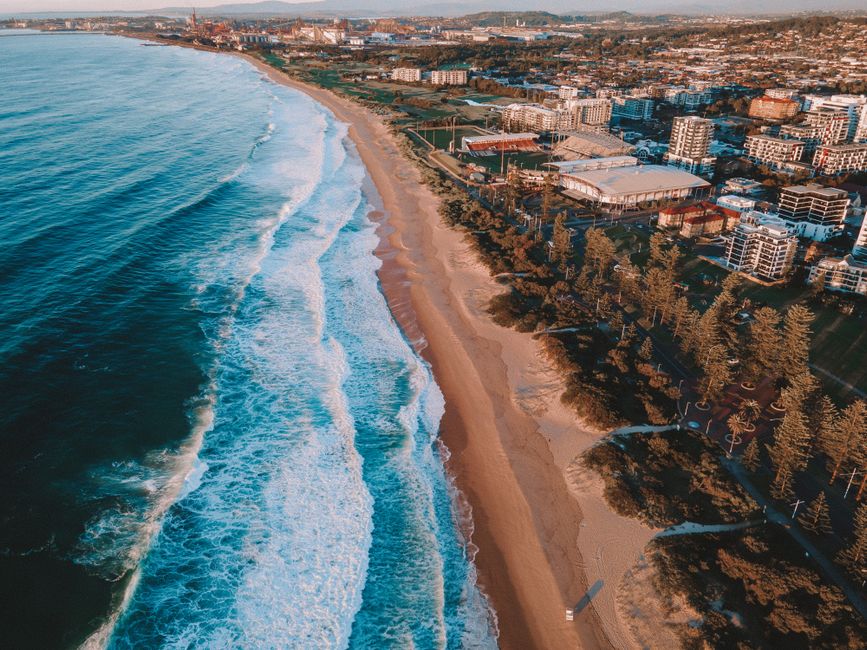
Wollongong's visitor economy has fundamentally changed over the past three years, and whether you're a resident, small business owner, or occasional tourist, understanding these shifts matters more than you'd think.
The numbers tell a clear story. Post-pandemic, visitor numbers to Wollongong have stabilised around 2.8 million annually—roughly split between domestic and international travellers. But what's shifted dramatically is where they're spending money and when they're arriving. Mid-week bookings have jumped 34%, meaning the old peak-weekend model is dissolving. For residents commuting along Princes Highway or parking near the beachfront, this means congestion patterns have become genuinely unpredictable.
Accommodation costs have become the elephant in the room. A standard hotel room in the CBD—around Crown Street and Keira Street—now averages $185-220 per night, up from $140 pre-2023. Airbnb listings have tripled, with many residents converting spare rooms into short-term rentals. This has real consequences: local rental vacancy rates have tightened, and long-term rental prices have climbed roughly 18% across the Wollongong LGA. If you're looking to rent, this is worth factoring into your housing search.
The hospitality workforce tells another story. Venues along the Harbour precinct and around Belmore Basin have absorbed thousands of new jobs, predominantly casual hospitality roles. Restaurants and cafes report chronic understaffing, which translates to slower service and, frankly, burnout among workers you likely know. Understanding this context helps explain why your favourite coffee spot might seem rushed.
For consumers, this is important: visitor season pricing is creeping into shoulder months. What used to be cheap May and June getaways are now closer to summer pricing. If you're planning a staycation or day trip within Wollongong, booking accommodation or restaurants earlier than you used to is now essential.
Peak seasons have also shifted. School holidays remain busy, but June and July now see genuine surges—not just weekends. This affects parking availability at Austinvilla Estate, Wollongong Botanic Garden, and North Beach reserves.
The Destination Wollongong visitor economy generates roughly $1.4 billion annually, but that benefits distribute unevenly. CBD businesses thrive; suburbs further inland see minimal spillover. For residents in Keiraville, Mount Pleasant, or Figtree, tourism remains largely invisible—which partly explains why some communities feel the city centre is changing faster than everywhere else.
The key takeaway: Wollongong's transformation into a genuine visitor destination is real, measurable, and affecting housing costs, traffic patterns, and service quality across the city. Whether you see this as opportunity or disruption likely depends on where you live and work.
This article was compiled by AI and screened before publishing. See our editorial standards.
Spread the word
About this article
Published by The Daily Wollongong
Daily brief
Free, in your inbox before 7am. Weekdays.
Stay in the loop