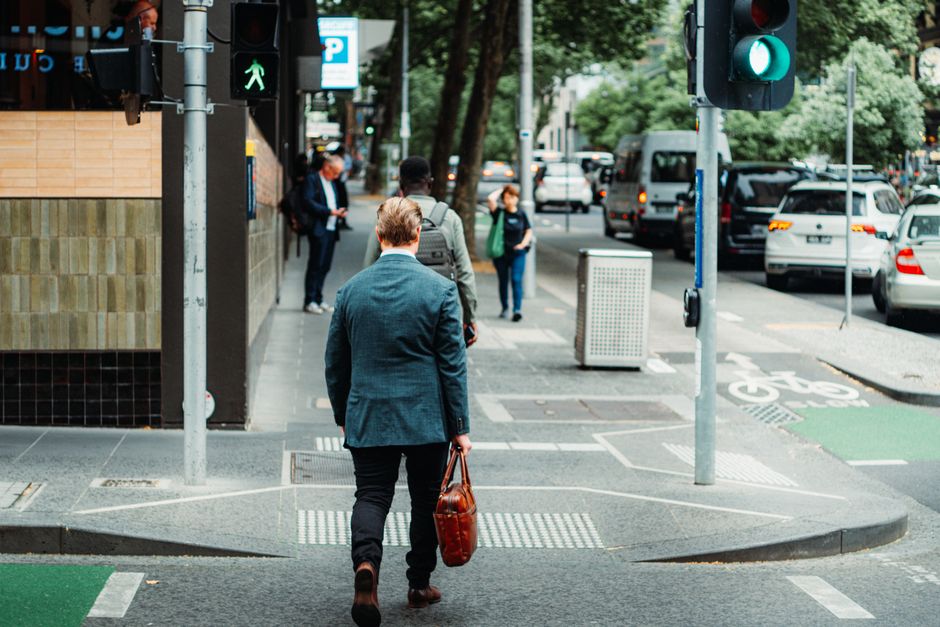
Walk down Crown Street on any weekday afternoon and you'll see thriving cafes, boutiques, and service providers. But behind those welcoming storefronts, Wollongong's small business owners are navigating a tightening squeeze that residents ought to understand—because it affects where you shop, what you pay, and which businesses survive.
Commercial rent in Wollongong's primary retail precincts has climbed roughly 12 percent over the past 18 months, according to recent commercial property surveys. For a modest 150-square-metre shop on Crown Street or around the Wollongong Central precinct, that translates to an extra $150–$250 monthly outgoing. For a cafe operator already managing thin margins of 8–12 percent, that's significant.
"Small retailers aren't just feeling it in rent," explains the Illawarra Small Business Network, which has fielded dozens of inquiries from concerned owners. "Electricity, insurance, and wages have all climbed. Many are forced to choose between absorbing costs or passing them to customers."
This matters to everyday residents because it shapes retail diversity. When costs rise, some owners close or relocate to lower-rent areas like Shellharbour or Corrimal. Others stay but raise prices—a coffee that cost $4.50 two years ago might now be $5.20. Some reduce opening hours or cut staff.
What's also happening is consolidation. Larger chains can spread costs across multiple locations and negotiate better supplier deals. Independent operators can't always compete. The Wollongong CBD has lost approximately 8–10 independent retailers in the past two years, replaced partly by chain outlets or vacant shopfronts.
For residents, this means less choice. The unique bookshop, the independent clothing boutique, the family-run takeaway—these often disappear first when margins tighten. Chain stores fill the gap, offering efficiency but not personality.
Some small business owners are adapting creatively: partnering with other retailers to share costs, building loyal online communities, or shifting focus to events and experiences rather than volume sales. Others are exploring the emerging precinct around the waterfront or innovation hubs near the university.
The takeaway for shoppers: supporting local businesses when you can—even if items cost slightly more—directly sustains the retail ecosystem that defines Wollongong's character. Every coffee bought at the independent cafe, every visit to the local bookshop, matters more now than it did three years ago.
If you want a diverse, vibrant main street in 2027, your spending habits today are part of the equation.
This article was compiled by AI from the sources linked above and screened before publishing. See our editorial standards.