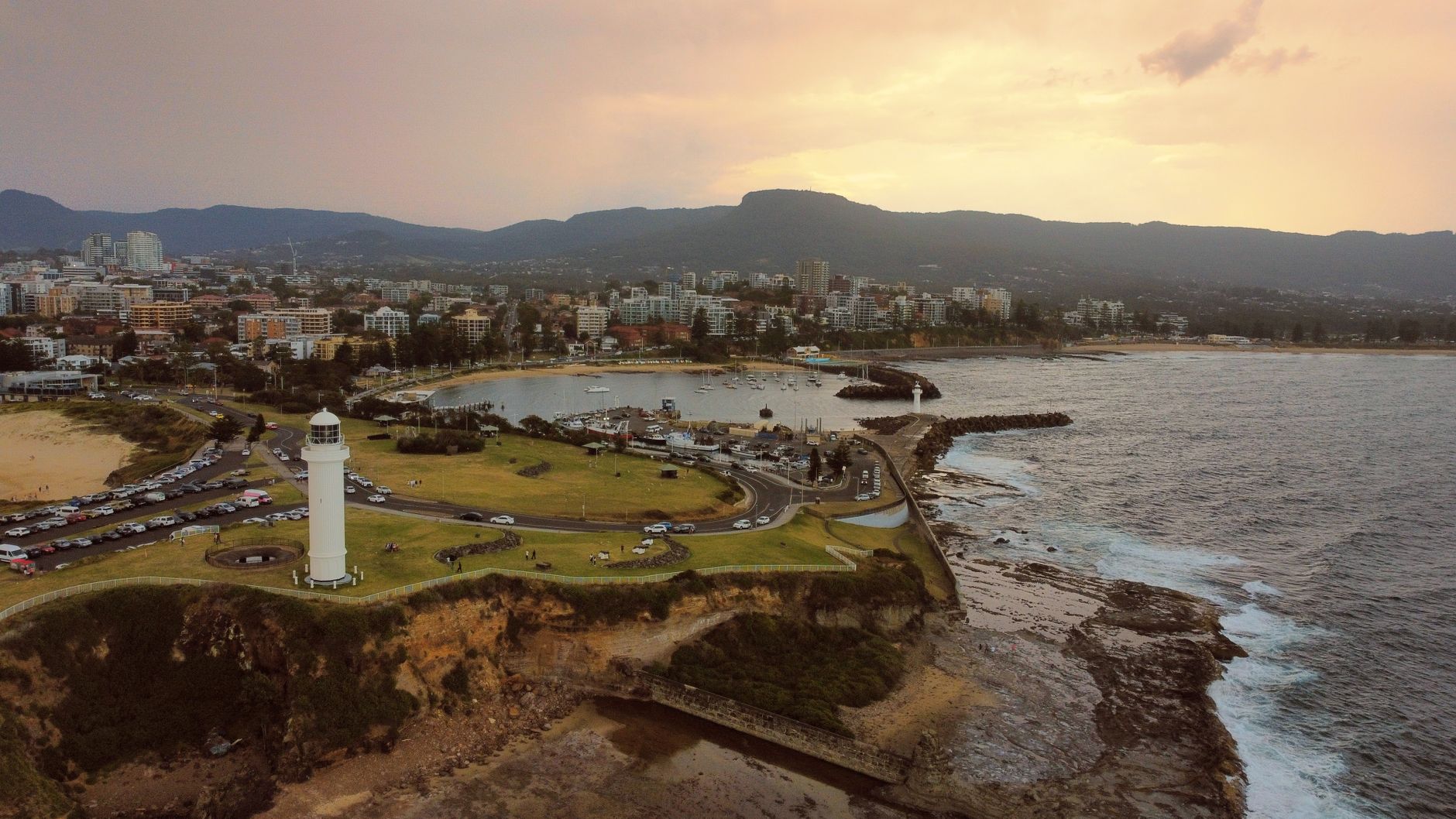
Wollongong's investment community is navigating treacherous waters this year, with financial planners across the CBD reporting a sharp uptick in anxious clients seeking to reassess their portfolios amid a confluence of economic pressures that show no signs of abating.
The cost-of-living crisis continues to weigh heavily on household finances across the Illawarra. Rent in key precincts like the Crown Street and Fairy Meadow districts has climbed steadily, whilst grocery and energy bills have outpaced wage growth for the third consecutive year. For investors managing property portfolios or retirement savings, the squeeze is very real.
"We're seeing people forced to liquidate investments earlier than planned," explains one prominent local financial services firm based near WIN Stadium. "Middle-income earners who'd built modest share portfolios are now selling to cover unexpected costs—dental work, vehicle repairs, aged care contributions. The buffer has evaporated."
Interest rate volatility remains a primary headwind. While the Reserve Bank's recent pause in rate hikes has offered temporary relief, variable mortgage holders across suburbs like Keiraville and Russell Vale continue to grapple with substantially higher repayment burdens. Fixed-rate loans maturing this year face a brutal reset, constraining discretionary investment capital precisely when markets demand patience.
Global geopolitical tensions—evidenced by recent international conflicts and trade uncertainties—have injected additional volatility into share markets. Australian indices have swung wildly, leaving retail investors jittery. Local small business owners, already stretched by rising operational costs and labour shortages, are postponing expansion plans and capital investments.
Property investment, traditionally a stalwart of Wollongong wealth-building, presents a paradox. While residential values on the North Beach peninsula and around Thirroul remain robust, rental yields remain modest. Meanwhile, investors face higher compliance costs, insurance premiums, and maintenance expenses. The gap between borrowing costs and rental income has narrowed dangerously.
Inflation's persistence is another stubborn challenge. While headline figures have moderated, targeted price pressures in healthcare, education, and utilities continue eroding purchasing power. For retirees and those nearing retirement, inflation risk to fixed-income investments looms large.
Financial advisors urge caution without panic. Diversification remains critical—spreading exposure across equities, bonds, property, and alternative assets. However, they acknowledge that for many Wollongong residents, the priority has shifted from wealth accumulation to wealth preservation and immediate liquidity needs.
As 2026 unfolds, the investment sector faces a defining test: navigating profound structural headwinds whilst helping communities protect what they've built.
This article was compiled by AI and screened before publishing. See our editorial standards.