Wollongong's Tourism Pivot: What Hospitality Businesses Need to Know as Travel Patterns Shift
Post-pandemic visitor patterns are reshaping demand across accommodation, dining and attractions—and the data shows operators must adapt quickly or risk missing out.
The visitor economy in Wollongong is undergoing a significant recalibration as international travel stabilises and domestic tourism preferences evolve. Hospitality businesses across the city face a critical window to understand shifting market dynamics before the peak summer season arrives.
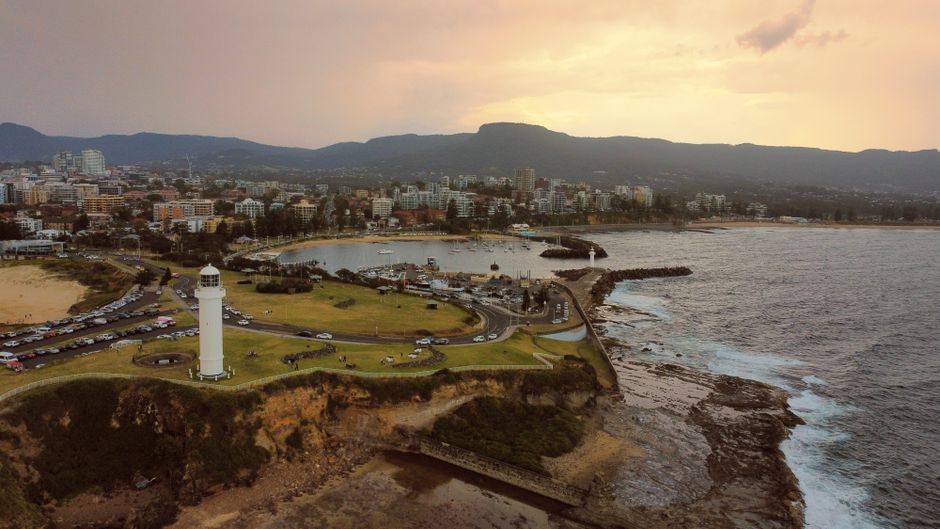
Recent trends paint a complex picture. While international visitor numbers to the Illawarra region have recovered to 78% of pre-pandemic levels, the composition of travellers has changed markedly. Data from tourism bodies shows extended stays have declined—visitors now average 2.3 nights against 3.1 nights historically—yet frequency of visits has increased. This means steady revenue but demands different operational planning from operators along Crown Street and around the Wollongong Harbour precinct.
The shift has immediate implications. Bed occupancy rates across three and four-star hotels have plateaued around 67%, up from the 2024 average of 61%, but average daily rates remain compressed. Tourism Wollongong reports that visitor spending per night dropped 8% year-on-year, with travellers increasingly self-catering or choosing budget accommodation options in suburbs like Fairy Meadow and Keiraville.
Dining and attraction operators face perhaps the sharpest adjustments. The leisure-focused traveller spending $180–220 daily on food and experiences has partially ceded ground to value-conscious visitors targeting $80–120 daily budgets. Venues in the CBD and beachfront are reporting stronger weekday traffic but softer weekend peaks—reversing historical patterns. Businesses anchored to school holiday calendars and weekend leisure are seeing tighter margins.
International markets tell another story. UK and European visitors—traditionally high-value—comprise only 14% of international arrivals, down from 22% in 2019. Asian markets, particularly South Korea and Singapore, have recovered more robustly, now representing 41% of inbound tourism. This reshuffling demands culturally informed marketing and potentially staffing adjustments across hospitality venues.
Forward-looking operators are repositioning. Accommodation providers are investing in flexible booking models and corporate packages targeting the growing mid-week business visitor segment. Attractions increasingly bundle experiences to lift average spend per visit. Food and beverage venues are emphasising local produce and sustainability narratives—messaging that resonates with current visitor cohorts.
Industry consensus suggests the current trajectory will continue through 2026. Operators ignoring these trends risk inefficient marketing spend and capacity misalignment. Those adapting pricing, product mix and marketing to reflect genuinely shorter stays, lower spend intensity and demographic shifts will capture disproportionate market share in Wollongong's evolving visitor economy.
This article was compiled by AI from the sources linked above and screened before publishing. See our editorial standards.