Business
Trade Headwinds Buffet Wollongong's Export Sector as Geopolitical Tensions Bite
Local businesses navigating tariff uncertainty, supply chain fragility, and regional instability as global commerce enters a treacherous year.
2 min read
Business
Local businesses navigating tariff uncertainty, supply chain fragility, and regional instability as global commerce enters a treacherous year.
2 min read
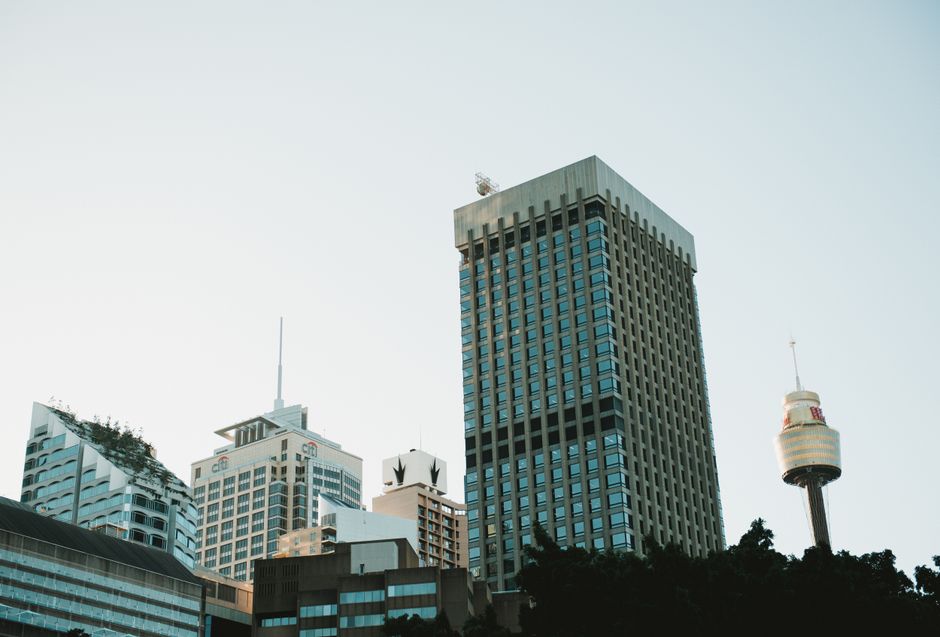
Wollongong's international trade community is bracing for a turbulent 2026, as geopolitical tensions and policy uncertainty combine to create unprecedented challenges for the city's export-dependent businesses.
The Port of Wollongong, which handles approximately 8.5 million tonnes of cargo annually and serves as a vital economic engine for the city, faces mounting pressures. Recent escalations in Middle Eastern tensions and ongoing trade disputes have disrupted shipping lanes and driven freight costs up by an estimated 18 per cent since January. For businesses clustered along Port Kembla and in the Coniston industrial precinct, already-thin margins are being squeezed further.
"We're seeing real pain points," explains one senior logistics operator who preferred not to be named. Companies that previously relied on predictable six-week transit times to major Asian markets are now planning for eight to ten weeks, forcing uncomfortable inventory decisions.
The uncertainty extends beyond shipping. Tariff negotiations remain unresolved in multiple jurisdictions, leaving exporters unable to lock in pricing for the second half of the year. Manufacturers in the Figtree and Port Kembla precincts report that clients are delaying purchase orders until greater clarity emerges—a conservative stance that dampens near-term revenue.
Supply chain fragmentation is another headwind. The concentration of production risks became starkly apparent during recent disruptions in key manufacturing regions. Wollongong-based engineering firms and chemical producers, which source components from an array of geopolitically sensitive areas, are undertaking costly audits of their supplier networks.
Agricultural exporters operating through facilities near the Innovation Campus are facing separate pressures. Biosecurity concerns and shifting import standards across key trading partners have added compliance layers that smaller operators struggle to absorb.
Yet there are glimmers of adaptation. Several businesses operating from office precincts along Keira Street are exploring nearshoring strategies and deepening ties with regional partners less exposed to geopolitical volatility. Some are exploring Southeast Asian alternatives to traditional supply corridors.
The Wollongong Chamber of Commerce has reportedly fielded increased inquiries about trade finance options and hedging strategies—practical responses to an environment where prediction feels almost impossible.
For a city whose prosperity has historically depended on stable, predictable international trade, 2026 represents a genuine test. Resilience, flexibility, and a willingness to rethink established relationships may determine which businesses emerge unscathed.
This article was compiled by AI from the sources linked above and screened before publishing. See our editorial standards.
Spread the word
About this article
Published by The Daily Wollongong
Daily brief
Free, in your inbox before 7am. Weekdays.
Stay in the loop