Business
What Wollongong Residents Need to Know About the Jobs Market Shifting Beneath Their Feet
As the local economy rebalances away from heavy industry, here's how employment trends are reshaping your neighbourhood and your prospects.
2 min read
Business
As the local economy rebalances away from heavy industry, here's how employment trends are reshaping your neighbourhood and your prospects.
2 min read
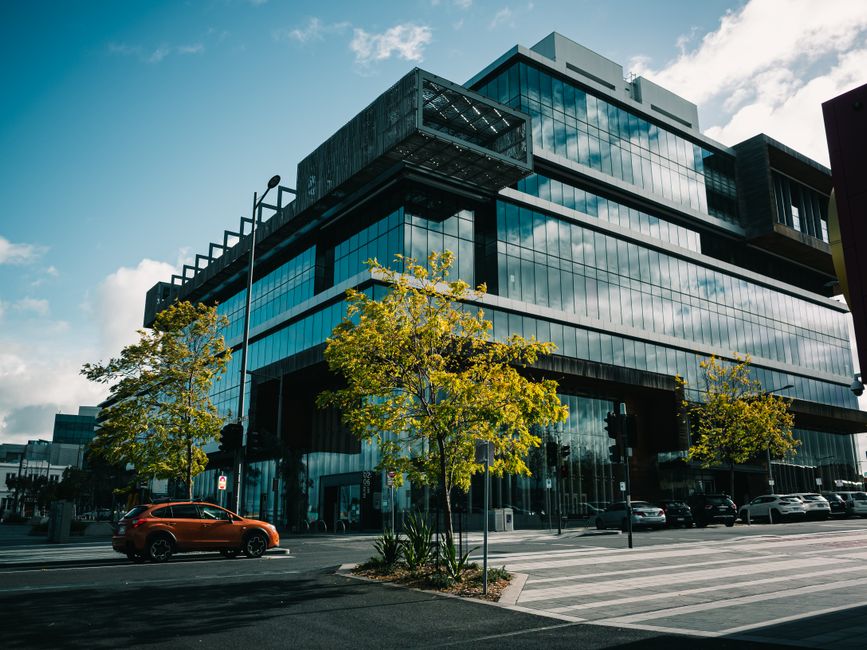
Walk down Crown Street or through the Wollongong City Centre these days, and you'll notice something subtle but significant: the nature of work itself is changing. The sprawling steelworks that once defined employment in the region are a memory, and the jobs replacing them tell a different story about what it means to work here in 2026.
For everyday residents wondering whether they should retrain, relocate, or reassure themselves about their career prospects, understanding these shifts is essential. The numbers tell a compelling narrative. While construction and logistics have held relatively steady, sectors like advanced manufacturing, healthcare, and professional services have grown noticeably. The University of Wollongong's expansion into medical research and technology hubs around Figtree has created a talent pipeline quite different from the one that sustained families for generations.
But here's what matters most for your wallet: this transition has created a skills gap. Employers around Wollongong Harbour and the emerging business precincts increasingly seek workers with digital literacy, engineering qualifications, and specialised credentials. That means if you're in a traditional trade without updating your capabilities, you're competing in a shrinking market. Wage growth in legacy sectors has flattened, while positions in tech-adjacent roles and healthcare are commanding premiums.
The retail sector around Crown Street and WIN Entertainment Centre tells another cautionary tale. Employment here has contracted as online shopping reshapes spending patterns. Small business owners report tighter margins and lower foot traffic than five years ago, which translates to fewer entry-level positions for young people starting out.
Housing affordability intersects directly with this employment picture. As better-paid professional roles concentrate in growing sectors, workers in declining industries face a squeeze: stagnant wages meeting rising rents across Wollongong's neighbourhoods from Fairy Meadow to Mount Pleasant. This explains why younger residents are increasingly willing to commute to Sydney—the employment premium outweighs the travel burden.
The genuine opportunity lies in sectors expanding locally: aged care facilities across the region, renewable energy projects connected to the university's sustainability focus, and emerging creative industries. These aren't imaginary pipelines—they're actively hiring now.
For residents making decisions about apprenticeships, career changes, or relocation, the message is clear: the Wollongong job market rewards adaptability. Those who understand these currents and position themselves accordingly will navigate the transition smoothly. Those who assume yesterday's certainties still apply risk being swept aside.
This article was compiled by AI from the sources linked above and screened before publishing. See our editorial standards.
Spread the word
About this article
Published by The Daily Wollongong
Daily brief
Free, in your inbox before 7am. Weekdays.
Stay in the loop