Community
Schools and Education in Wollongong: Universities, Schools and Training
A general guide to how Wollongong's universities, schools and vocational providers fit together, and how families and students find their way through them.
Community
A general guide to how Wollongong's universities, schools and vocational providers fit together, and how families and students find their way through them.
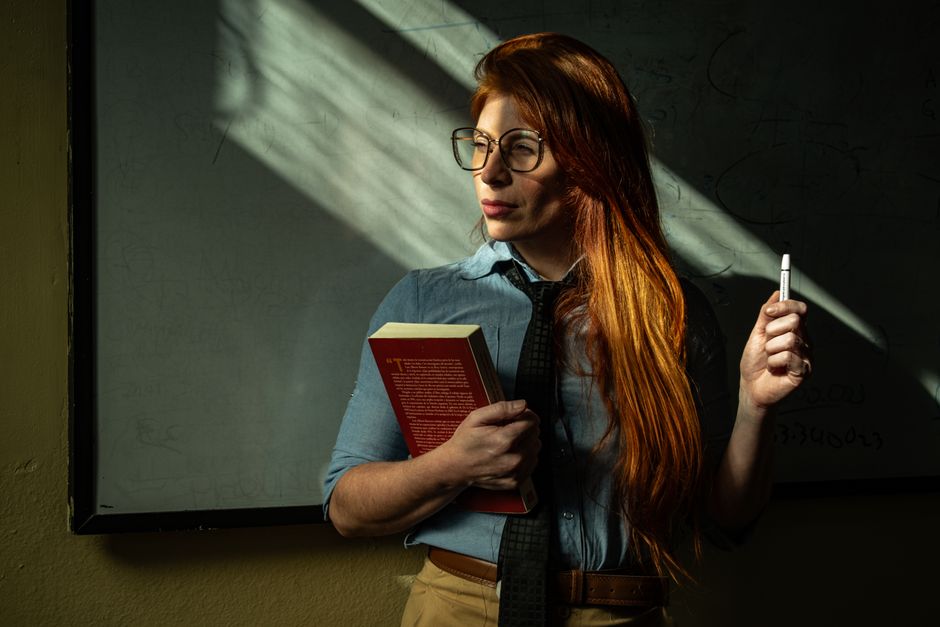
This is a general explainer about the education landscape in Wollongong and the wider Illawarra, intended as durable background rather than a guide to current enrolments, fees, course offerings or catchment boundaries. Those details change from year to year, so families and prospective students should always confirm specifics directly with the institutions, with the New South Wales Department of Education and with the relevant non-government school authorities before making decisions.
What most distinguishes Wollongong from comparable regional cities is the size and visibility of the University of Wollongong, known locally as UOW. The university grew out of a Wollongong division of the New South Wales University of Technology and became independent in the 1970s, and it has since become one of the defining institutions of the city. Its main campus sits at the foot of the escarpment in the suburb of Gwynneville and Keiraville, and the university describes a strong emphasis on research, engineering, health, information technology and a substantial cohort of international students. Beyond the central campus, UOW operates and has operated learning sites elsewhere in the Illawarra and across New South Wales, and it has built offshore and partner arrangements that give a city of Wollongong's size an unusually international academic profile.
Vocational education and training is the second pillar of the post-school system, and in Wollongong this is anchored by TAFE NSW, which the state government delivers across multiple Illawarra campuses including a long-established presence in the city centre. TAFE and other registered training organisations cover trades, health and community services, hospitality, business and the kinds of technical skills that have long underpinned the regional economy. Pathways between the vocational and university systems are a feature of the local landscape, with arrangements that can allow students to move from a TAFE qualification into related university study, and prospective students are encouraged to check current articulation and credit options directly with each provider.
School education in Wollongong follows the same broad structure as the rest of New South Wales, divided between government schools run by the New South Wales Department of Education and a large non-government sector. The government system includes primary schools, high schools and, in some cases, specialist provision, and most government schools enrol students from a designated local catchment area, with enrolment generally guaranteed for children living within the relevant zone. Families can usually check which catchment applies to a given address through the Department's online tools, and the Department is the authoritative source for current zoning, since boundaries are reviewed and can change over time.
The non-government sector is a significant part of schooling in the Illawarra and reflects the region's history. Catholic systemic schools serve many families across Wollongong and are administered through the Catholic education authority for the Diocese of Wollongong, while a range of independent schools, including faith-based and other private colleges, operate alongside them. Together the government, Catholic and independent systems give parents a spread of options, and choices about which sector or school suits a child are personal ones that depend on factors such as location, fees, values and the particular programs a school offers. The Australian Bureau of Statistics, through its regular schools collection, is a standard reference for understanding the overall scale and composition of the schooling sector across New South Wales.
Within the government system, New South Wales also offers selective and specialist options that can draw students from across the Illawarra, including selective high school places and specialist programs in areas such as performing arts, languages, sport and technology. Selective entry is administered centrally by the Department of Education through a state-wide process, and places are limited and competitive, so availability and entry arrangements should always be confirmed against current Department information. Some non-government schools likewise market particular academic, sporting or creative strengths, and families weighing these options generally benefit from visiting campuses and speaking directly with school staff.
Education is not only a service in Wollongong but a major part of the local economy. The university and the school and vocational systems are among the larger employers in the region, supporting academic, teaching, administrative, research and support roles, and the student population sustains demand for housing, retail, hospitality and transport across the city. As the Illawarra has gradually diversified away from its older heavy-industry base, education together with health care has become an increasingly important source of employment and economic activity, a shift that broad economic and labour data from the Australian Bureau of Statistics has tracked at the regional level over many years.
For families and students navigating all of this, the practical advice is consistent: start with the authoritative bodies. The New South Wales Department of Education is the first point of reference for government school enrolment, catchments and selective entry; the Catholic and independent authorities and individual schools handle their own admissions; and the University of Wollongong and TAFE NSW publish current entry requirements, course lists and pathway options for post-school study. Because programs, fees, boundaries and offerings are reviewed regularly, the most reliable approach is to treat general guides such as this one as orientation and to verify the current detail with the relevant institution before applying or enrolling.
Sources: New South Wales Department of Education, University of Wollongong (UOW), TAFE NSW, Australian Bureau of Statistics, Catholic Education Diocese of Wollongong, NSW Government.
This article was compiled by AI from the sources linked above and screened before publishing. See our editorial standards.
About this article
Published by The Daily Wollongong
More in Community