community
The Steel City's Legacy: How BHP Shaped Wollongong and the Illawarra
The steel industry that ran from 1928 to 1999 left a permanent imprint on the city.
How we reported this
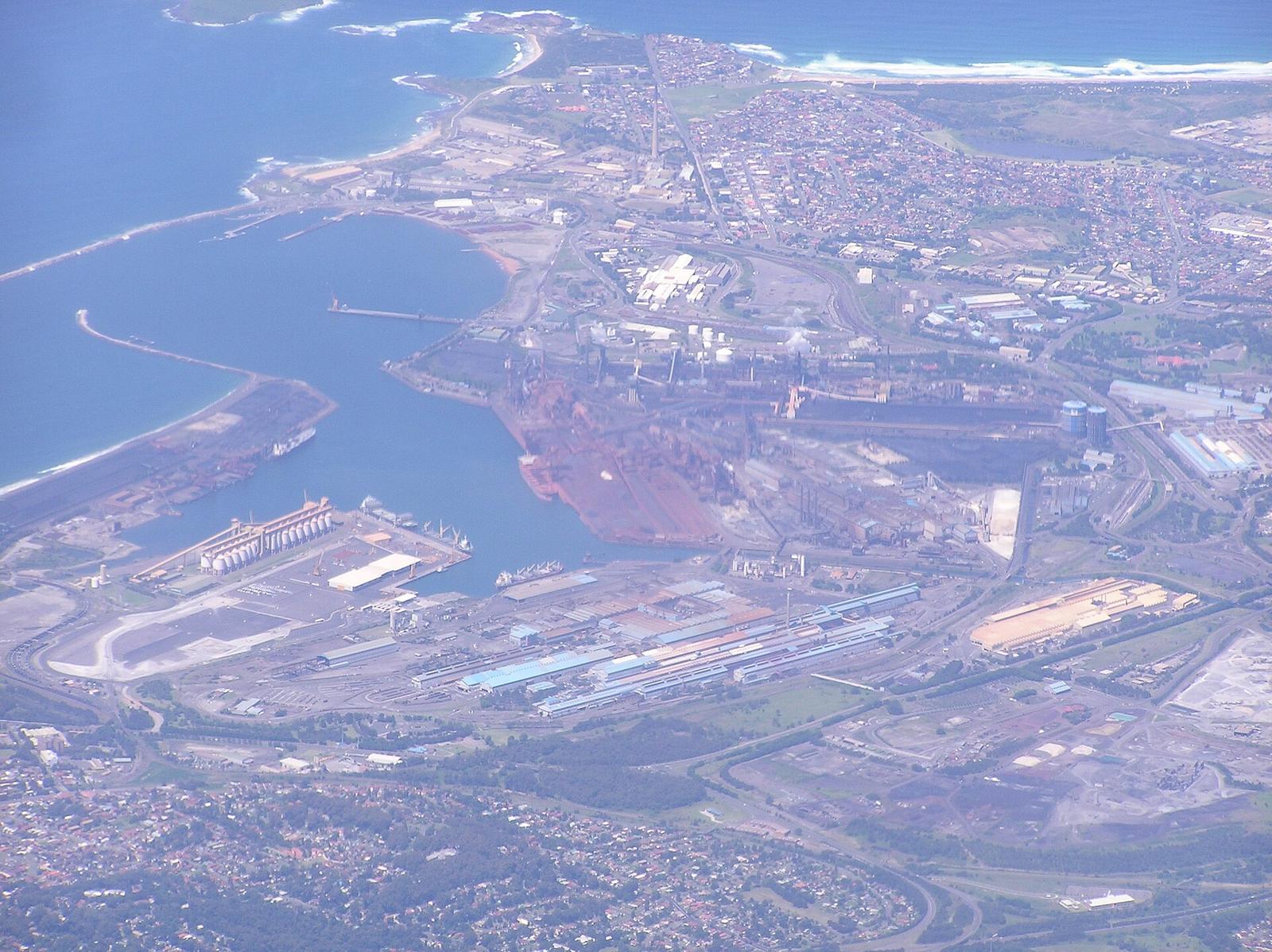
The BHP Steelworks at Port Kembla, the integrated steelmaking operation that produced the steel from the Illawarra's coal and the iron ore from the Spencer Gulf from 1928 to 1999 and that at its peak in the 1960s employed 22,000 workers and was the largest employer in New South Wales outside of the public sector, created the industrial character, the working-class culture, and the multicultural community of migrants from Greece, Italy, and later Asia that define the Illawarra's social identity in ways that the 25 years since the steelworks closure have not erased. The steelworks' legacy is visible in the working-class suburbs of Port Kembla, Warrawong, and the surrounding industrial communities, in the industrial heritage of the former steelworks site, and in the cultural character of the Wollongong community that the steel era created.
The closure of the BHP steelworks in 1999, at the time the most significant single employment event in New South Wales history, required the economic transition and the workforce retraining programs that the state and federal governments funded to manage the social impact of the 4,000 direct job losses and the estimated 12,000 indirect jobs that the steelworks' closure affected. The transition programs' partial success in retraining the steelworks' workforce for the emerging services and the technology sectors, and the University of Wollongong's growth in the 1990s and 2000s that absorbed some of the displaced workforce's children into the higher education pathway, created the mixed transition story that the Illawarra economy's gradual diversification demonstrates.
The former steelworks site at Port Kembla, the 200-hectare brownfield that the Bluescope Steel heritage operations continue to occupy in part while the former coke ovens and the blast furnace areas have been decommissioned, provides the remediation and the redevelopment challenge and opportunity that the contaminated industrial heritage of the twentieth century steel production creates for the Wollongong development future. The site's scale, its infrastructure connections to the port and the road network, and its location adjacent to the deep-water port that the global logistics economy values create the development potential that the remediation cost and the heritage management must be balanced against.
The Wollongong heritage of the steel era, preserved in the photography and the oral history collections of the Illawarra Museum, the steel plant heritage interpretation at the Five Islands Brewery site, and the oral histories that the steelworkers' families have contributed to the community heritage record, provides the cultural memory of the industrial era that the post-industrial city uses to sustain the identity and the pride that the steelworks' productivity and the community it created justify as the foundation of the contemporary Wollongong identity. The heritage appreciation of the steel era grows as the temporal distance from the closure increases and the historical perspective that was not available to the workers who experienced the closure directly becomes possible.