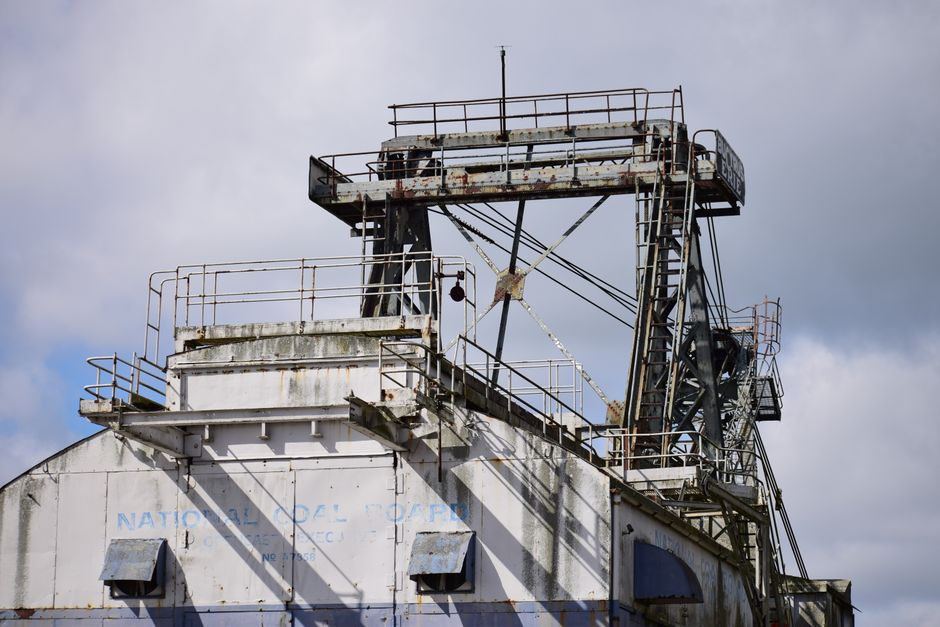
Few Australian cities wear their economic history as visibly as Wollongong, where the chimneys and rolling mills of the Port Kembla steelworks have framed the southern skyline for the better part of a century. This is a general explainer for residents, students and prospective investors, and it is not financial or business advice. Detailed figures change over time, so the focus here is on durable patterns rather than precise numbers. What makes Wollongong distinctive is the way a single heavy industry shaped a whole region, and the way the city is now widening its base around education, technology, healthcare and tourism while steelmaking continues in a leaner form.
Steel remains central to the local story. BlueScope, the company that emerged from the former BHP steel operations, describes Port Kembla as the home of its principal Australian steelmaking, and the site is among the largest industrial complexes in the country. According to BlueScope's own public information, the Port Kembla Steelworks continues to produce flat steel products used in construction and manufacturing across Australia. Steelmaking today employs far fewer people than it did at its mid twentieth century peak, when tens of thousands of workers passed through the gates, but it still anchors a network of contractors, engineering firms and suppliers throughout the Illawarra. The long restructuring of this industry is the single biggest reason Wollongong has had to reinvent its economy.
Alongside the steelworks sits Port Kembla itself, one of the major trade gateways on the New South Wales coast. NSW Ports, which operates the facility, describes Port Kembla as a key port for the state, handling commodities such as coal, grain, motor vehicles and bulk goods. The port gives Wollongong a logistics and trade dimension that many comparable cities lack, and proposals over the years to expand its role, including in energy import infrastructure, reflect its strategic position. For the local economy, the port reinforces a base of transport, warehousing and industrial employment that complements the manufacturing heritage of the district.
The University of Wollongong has become one of the most powerful forces reshaping the city. The university states that it draws students from across Australia and many other countries to campuses centred on Wollongong, making higher education a substantial employer and a magnet for younger residents. A large student population supports rental demand, hospitality, retail and a steady flow of graduates into local industries. Research strengths in areas such as engineering, materials and information technology also feed into the region's ambition to move up the value chain, linking the old world of steel with newer fields of advanced manufacturing and innovation.
That ambition is visible in a growing technology and startup scene. The City of Wollongong and regional development bodies have actively promoted the area as a destination for digital and creative businesses, helped by proximity to Sydney, a lower cost base than the harbour city and a lifestyle that appeals to skilled workers. Co-working spaces, software firms and professional services have clustered in and around the city centre. While this sector is smaller than the established pillars of health, education and public administration, it represents the kind of services led growth that planners hope will diversify the economy and create jobs that are less exposed to the cycles of heavy industry.
Tourism and lifestyle form another distinct strand. Destination NSW and Destination Wollongong promote the Illawarra escarpment, the beaches stretching along the coast, and attractions such as the Sea Cliff Bridge and the lookouts above the city, drawing day trippers and holidaymakers, particularly from Sydney. Tourism supports cafes, accommodation, events and recreation businesses, and it has become more important as the city markets its natural setting. The same coastal and escarpment appeal that draws visitors also underpins the residential property market, as buyers and renters are attracted by the combination of beachside living and relative affordability compared with parts of Sydney.
On jobs and the broader labour market, the Australian Bureau of Statistics consistently shows that health care and social assistance, education and training, retail and public administration are among the largest employers across regional New South Wales, and Wollongong reflects this services heavy pattern. The Reserve Bank of Australia has long noted that regional economies near major cities can benefit from population spillover and improved transport links, and Wollongong's rail and road connections to Sydney place it within commuting distance for some workers. This dual identity, part independent regional centre and part extension of the Greater Sydney economy, is a defining feature of how the local job market behaves.
Taken together, Wollongong is a city in transition rather than one that has simply left its industrial past behind. Steel and the port still matter, but they now sit alongside a major university, an emerging technology cluster, a growing visitor economy and a property market shaped by lifestyle appeal. For anyone weighing a move, a study choice or a long term interest in the region, the picture is one of gradual diversification away from dependence on a single industry. As always, specific conditions, figures and policies shift over time, and readers should consult current sources and qualified advisers before making any financial or business decisions.
Sources: Australian Bureau of Statistics, Wollongong City Council, University of Wollongong, NSW Ports (Port Kembla), Reserve Bank of Australia, Destination NSW.
This article was compiled by AI from the sources linked above and screened before publishing. See our editorial standards.