wellness
Gut health 101: fermented foods you can find locally
From Thirroul to the city centre, Wollongong's shelves are stocking more kimchi, kefir and kombucha as residents seek digestive wellness.
How we reported this
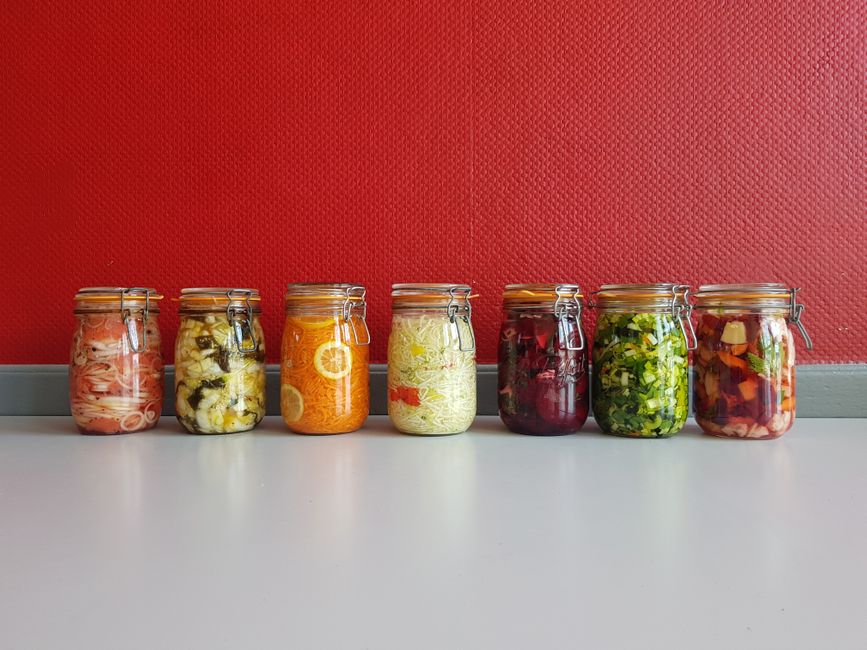
A quiet revolution is happening in Wollongong shopping baskets and refrigerators. Beyond the usual fruit and veg, foods with names like kimchi, kombucha, and kefir are becoming household staples, driven by a growing public fascination with the health of our gut.
The conversation around the gut microbiome-the trillions of microorganisms living in our digestive tract-has moved from niche science journals to mainstream wellness. Researchers increasingly link a healthy gut to improved immunity, mood regulation, and overall vitality. In a time of widespread stress, from national phone network outages disrupting daily life to persistent cost-of-living pressures, many are looking for tangible ways to take control of their well-being, starting from the inside out.
For Wollongong residents, accessing these foods has never been easier. The Flame Tree Community Food Co-op in Thirroul has long been a hub, stocking locally made sauerkrauts and small-batch kombuchas. In the city, health food stores along Crown Street offer a range of products, while cafes from the Lower East side to North Beach are now more likely to have kombucha on tap than not. Even the weekend Foragers Market at the Bulli Showground features stalls with local producers selling their own fermented goods, a far cry from just a few years ago when such items were a rare find.
The Local Fermentation Scene
The appeal is twofold: health benefits and a desire to support local producers. Brands like The Fermentary, based in Victoria but widely stocked here, sit alongside smaller Illawarra-based creators. A 375ml bottle of locally brewed kombucha can cost between $5 and $7, positioning it as a direct competitor to craft beers or gourmet coffees. A jar of high-quality, refrigerated kimchi from a local maker at the Bulli markets might set you back $15, but enthusiasts argue the probiotic benefits are worth the price.
This trend is backed by hard science. A 2023 study published in the *Medical Journal of Australia* found that nearly half of Australian adults experience digestive problems in any given 12-month period. Nutrition scientists point to the live cultures, or probiotics, in fermented foods as a key tool for restoring balance to the gut microbiome. These beneficial bacteria help digest food, produce vitamins, and protect against disease-causing microorganisms. While a single serving isn’t a magic bullet, consistent inclusion in a balanced diet can make a significant difference.
Beyond the Hype: What to Look For
Getting started doesn't require a complete diet overhaul. Experts suggest starting small to allow your system to adjust. Swapping a sugary afternoon drink for a low-sugar kombucha is a simple first step. Adding a spoonful of kimchi or sauerkraut as a side to a meal introduces beneficial bacteria and adds a complex, tangy flavour. When buying, check the label. Look for products that are unpasteurised and kept in the refrigerator, as heat processing can kill the live cultures that provide the main health benefit. The words “live cultures” or “naturally fermented” are good indicators.
The next time you’re planning a walk along the Blue Mile or a hike up the escarpment, consider what’s fuelling you. As the science continues to evolve, the ancient practice of fermentation is finding a firm foothold in modern Wollongong kitchens. For personalised health advice, including dietary changes, consulting a local GP or an accredited practising dietitian is recommended.