wellness
Wollongong's coastal climate is deceptively thirsty work, here's how to drink smarter
Between the Illawarra Escarpment trails and the city's rock pools, locals are burning through fluids faster than they realise, and the science on what to actually drink is clearer than ever.
How we reported this
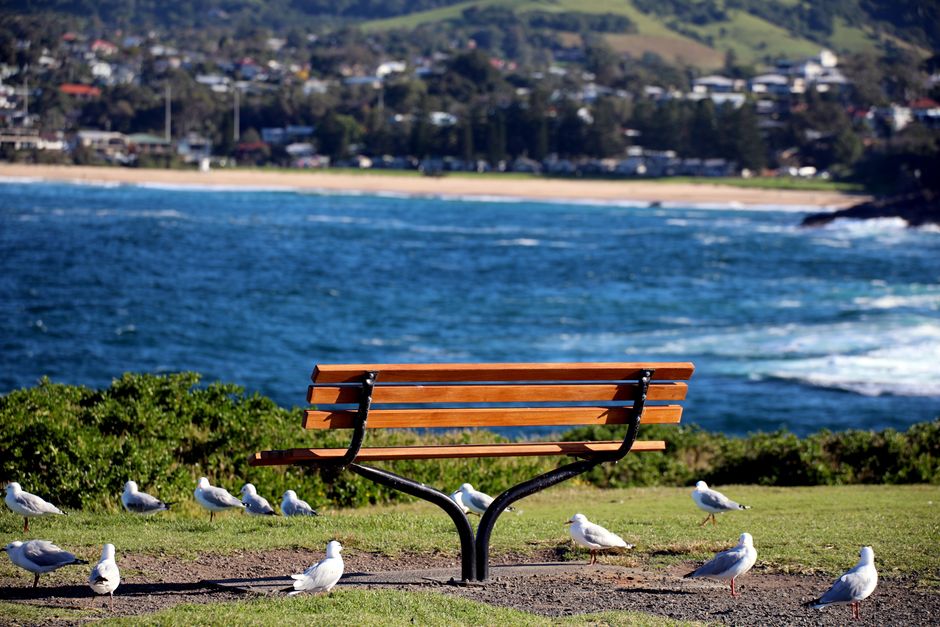
The temperature at Wollongong's North Beach hit 19°C on a recent winter morning, mild enough to trick hikers and cyclists into skipping their water bottles entirely. That's the Illawarra trap. The region's subtropical coastal humidity, even in July, means the body loses fluid at rates most people associate with a Sydney summer, not a midwinter Thursday.
July is precisely when hydration complacency sets in. The air is cooler, the skies are grey, and the instinct to reach for water drops off. But humidity along the Illawarra coastline rarely falls below 65 percent in winter, which suppresses sweat evaporation and delays the thirst signal. By the time you feel thirsty on the Stuart Park cycling path or halfway up the escarpment track behind Bulli, you're already behind.
What the local environment actually demands
The Australian Institute of Sport's 2025 fluid guidelines recommend a baseline of 35ml of water per kilogram of body weight per day for sedentary adults, roughly 2.45 litres for a 70kg person doing nothing more strenuous than desk work. Add a 90-minute return walk on the Seaton Trail above Thirroul or a swim at Wollongong's Beaton Park Aquatic Centre, and that figure climbs by at least 500ml to 1 litre, depending on intensity.
The rock pools complicate the picture further. Regulars at the Wollongong Harbour rockpool and the Ladies Baths at the southern end of North Beach often swim in saltwater for 30 to 45 minutes, then sit on the seawall in a wind that strips moisture from skin faster than still air. Dermal fluid loss, water lost directly through the skin without visible sweating, is frequently overlooked in cold coastal environments. It is not trivial.
What you drink matters as much as how much. Sports drinks marketed at electrolyte replacement typically contain around 21g of sugar per 600ml bottle and retail for $3.50 to $4.80 at Wollongong Central outlets. For most recreational activities under 90 minutes, plain water performs equally well, according to the Dietitians Australia position statement updated in March 2026. Electrolyte replacement becomes genuinely useful only after sustained aerobic effort in humid conditions, think a full Illawarra Escarpment ridge traverse, which covers roughly 45km and gains more than 700 metres of elevation.
Nan Tien Temple in Berkeley, which runs regular wellness programs including its annual Spring Health Retreat, has incorporated hydration workshops into its curriculum since 2024, emphasising herbal teas, particularly chrysanthemum and ginger, as culturally grounded alternatives to commercial sports drinks. The temple's approach aligns with growing dietary evidence that warm, low-caffeine beverages can contribute meaningfully to daily fluid intake without the sugar load.
Practical drinking strategy for the Illawarra
The simplest rule: drink 500ml before any outdoor activity, regardless of season. Carry at least 750ml per hour of planned exertion. Urine colour remains the most accessible real-time indicator, pale straw is the target; anything darker than apple juice signals a deficit. The Wollongong City Council's free drinking fountains at Stuart Park, near the velodrome off Harbour Street, and at Flagstaff Hill in Fairy Meadow are reliable mid-route stops for cyclists and joggers who don't want to carry a full bottle load.
Coffee and alcohol both warrant attention. A standard flat white from one of Crown Street's independent cafes, the strip between Corrimal Street and Keira Street alone has more than a dozen, contributes to fluid intake at around 85 percent efficiency, meaning it's not the dehydrating villain it was once labelled, but it isn't neutral either. Two morning coffees count for roughly a glass of water, not two. A standard 375ml can of mid-strength beer at the end of a coastal walk effectively cancels out that contribution.
Anyone managing a chronic health condition, taking diuretic medications, or over 65, a significant demographic in suburbs like Austinmer and Coledale, should talk to their GP or an Accredited Practising Dietitian before adjusting fluid intake significantly. The Illawarra Shoalhaven Local Health District runs a free community dietitian referral program through most GP clinics in the region. It's a phone call worth making before the summer humidity returns.