property
Wollongong Commercial Property Market Tightens, Benefiting Landlords as Tenants Compete for Space
With office vacancy falling to 10.6% and record-breaking sales reshaping the city's commercial skyline, tenants face rising competition while landlords gain negotiating power.
How we reported this
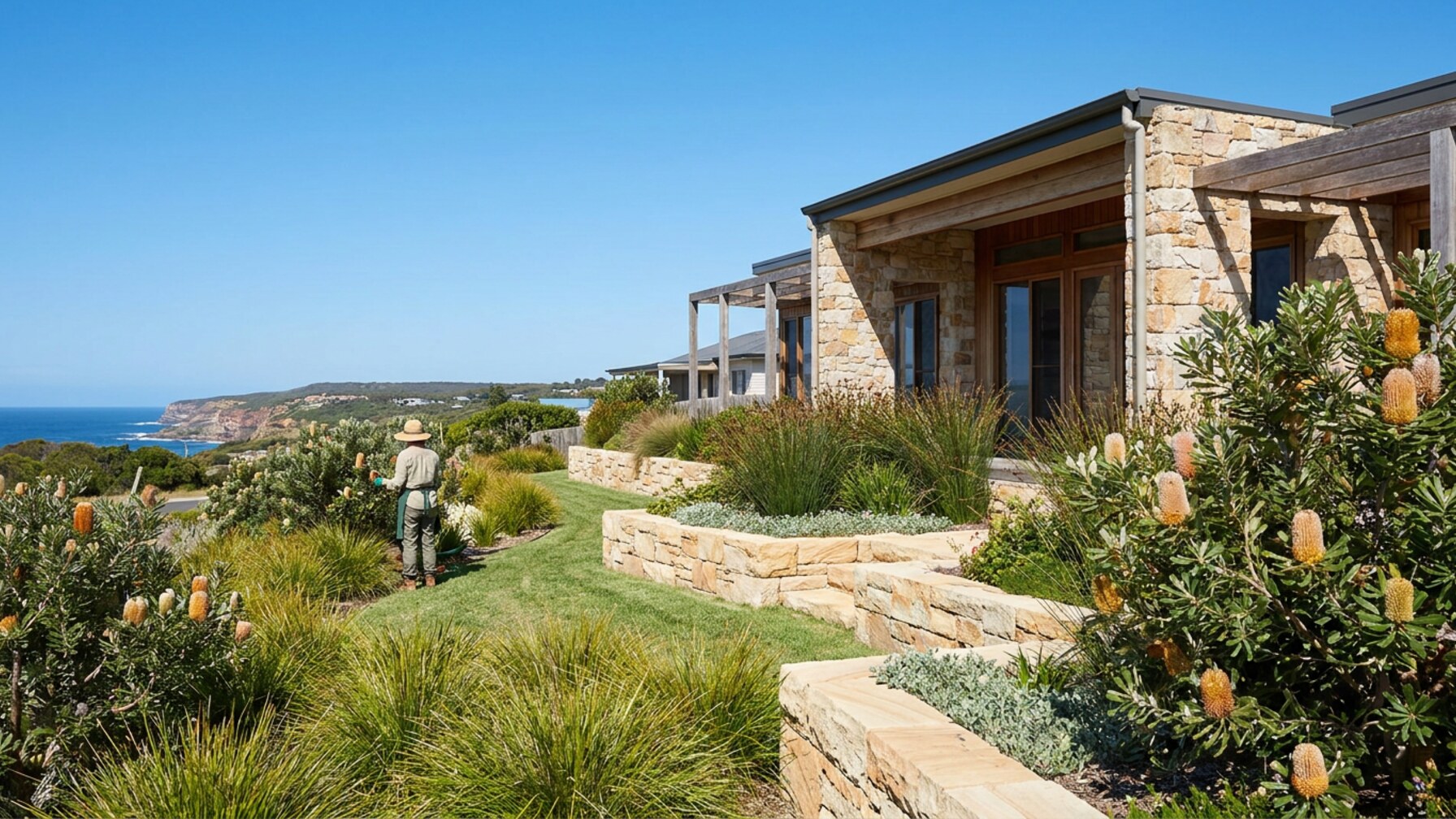
Wollongong's commercial property market is undergoing a significant shift. Over the past 12 months, the office vacancy rate has tightened from 11.2% to 10.6%, reflecting growing demand and a healthy local economy, according to market data. For tenants, this means fewer options and rising competition for quality space. For landlords, it signals renewed pricing power and a chance to capitalise on a rebounding market.
The Numbers Behind the Squeeze
The 0.6 percentage-point drop in vacancy is not dramatic on its own, but in the context of higher interest rates and national economic uncertainty, it stands out. Industry forecasts indicate Wollongong remains a premier regional commercial hub on the South Coast, with office and retail markets rebounding despite the broader headwinds. As vacancy tightens, landlords are less inclined to offer the generous incentives that characterised the post-pandemic period, and tenants looking to secure or expand space are having to act faster and negotiate harder.
Record Sales Signal Investor Confidence
Investor appetite for Wollongong commercial assets has been strong. Colliers sold Corrimal Village in February 2026 for $103 million, marking the largest non-metro neighbourhood centre transaction since 2021. That deal underscores the appeal of Wollongong's retail-anchored assets to institutional and private capital. At the higher end of the market, a prominent seven-level office building at 90 Crown Street was acquired by a private Singaporean investor for over $65 million, setting a new record price for Wollongong office property. The former North Wollongong Bunnings site at 73-75 Gipps Street also sold for a record $40 million to Sydney developer Level 33, the highest value inner-city development site sale in Wollongong history.
What the Tightening Means for Tenants
For businesses leasing commercial space in Wollongong, the tighter vacancy rate translates into fewer choices and less room to negotiate on rent or fit-out contributions. With vacancy at 10.6%, the market has shifted from a clear tenant's market to something approaching equilibrium, with momentum leaning toward landlords. Tenants approaching lease renewals or seeking new premises are advised to start their search early and be prepared to move quickly on suitable space. The influx of investor capital, particularly from interstate and overseas buyers, suggests that the city's commercial fundamentals are strong and that competition for space is unlikely to ease in the near term.
Outlook for Landlords
Landlords are benefiting from the tightening market, with reduced vacancy providing leverage to push rents upward and scale back incentives. The record sales at 90 Crown Street and the Corrimal Village transaction demonstrate that buyers are willing to pay a premium for well-located Wollongong assets, which should support further capital growth. As the office and retail markets continue to rebound, landlords who invest in quality tenancy improvements and building amenities may be best positioned to attract and retain tenants in an increasingly competitive leasing environment.
Industry forecasts suggest Wollongong's status as a premier regional commercial hub is secure, and the recent tightening in vacancy is a positive signal for the market's health. For now, the balance of power has shifted toward landlords, but the city's economic fundamentals suggest that tenants willing to adapt and landlords who invest in their assets can both find opportunity in this evolving landscape.
This article is general information only and is not personal financial or investment advice. Consider your own circumstances and seek licensed professional advice before making financial decisions.