property
Build-to-Rent Arrives in Wollongong: What the New Model Actually Delivers for Tenants
As buying a home drifts further out of reach for thousands of Illawarra residents, a new class of purpose-built rental housing is promising professional management, longer leases and no landlord anxiety, but the numbers still sting.
How we reported this
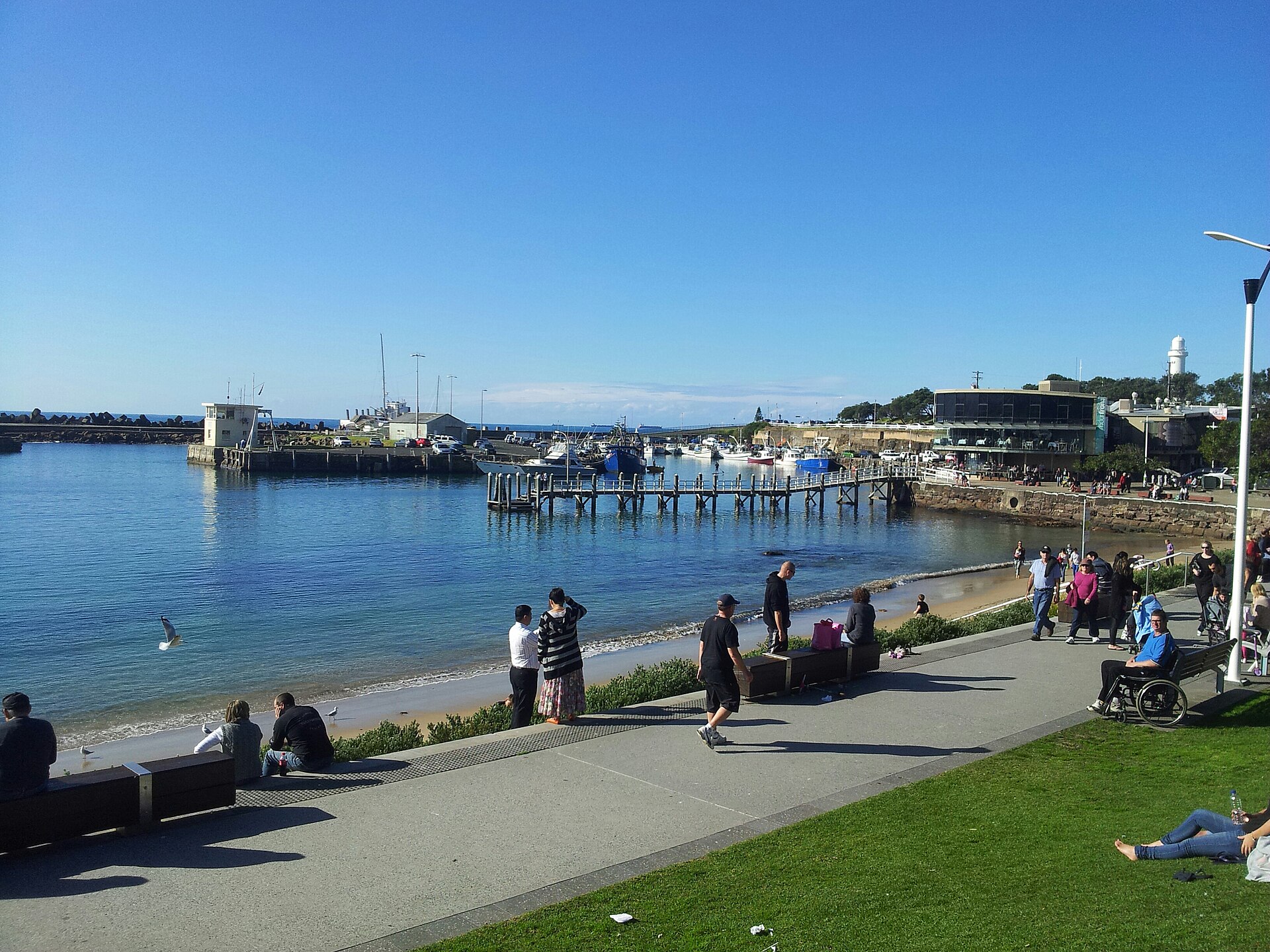
A one-bedroom unit in Wollongong's inner ring now rents for roughly $550 a week. Buying the equivalent property requires a deposit north of $120,000 and a mortgage repayment that tops $3,200 a month at current rates. For the city's growing renter class, teachers at Wollongong High School of the Performing Arts, nurses at Wollongong Hospital, graduate researchers at the University of Wollongong's Innovation Campus, the arithmetic has stopped working. Build-to-rent (BTR) developers are betting they can offer something better than the chaotic private rental market, and the first serious proposals are now circling the Illawarra.
The timing is not accidental. Federal tax changes under the Albanese government, effective from July 2025, reduced the managed investment trust withholding tax on eligible BTR projects from 30 per cent to 15 per cent, unlocking institutional capital that had previously bypassed Australia's rental sector entirely. NSW simultaneously introduced its own BTR land tax concession, cutting the surcharge for qualifying projects. Together, those two levers have made Wollongong, with its coastal-premium suburbs already pricing out first-home buyers and a University population of roughly 35,000 students, an increasingly attractive target for large-scale rental developers.
What Wollongong Tenants Can Actually Expect
BTR differs from ordinary investment property in one fundamental way: a single institutional landlord owns every apartment in a building and retains them as rentals permanently. There is no auction weekend, no landlord deciding to sell, no property manager juggling forty other properties. Nationally operating platforms such as Mirvac's LIV brand and Aware Super-backed operators have standardised this model across Sydney and Melbourne. The question for Wollongong is whether the same product can land at a price point that makes sense south of Sydney.
Two sites in the Wollongong local government area are understood to be in late-stage feasibility review as of mid-2026. The first sits on Crown Street in the CBD, adjacent to the WIN Entertainment Centre renewal precinct. The second is further north in Fairy Meadow, near the Lawrence Hargrave Drive corridor where median house prices have climbed past $1.1 million. Neither developer has made a formal planning application public, but documents lodged with Wollongong City Council's development monitoring unit confirm pre-DA consultations are underway for both sites.
For a typical BTR building, rents tend to track at five to ten per cent above comparable private rentals in exchange for fixed annual increases, usually CPI-linked, written into two- or three-year lease agreements. That premium buys something the Wollongong rental market has rarely offered: security. The city's vacancy rate sat at 1.1 per cent in June 2026, according to SQM Research, meaning tenants who lose a lease face a brutal search. A guaranteed two-year tenure is genuinely valuable in that environment, particularly for households that cannot absorb the transaction costs of repeated moves.
The Affordability Gap That Won't Close Itself
None of this resolves the structural problem. NSW's median dwelling price of approximately $860,000 means a borrower on the average Wollongong household income of $98,000 per year is still roughly $180,000 short of a workable deposit under standard 20 per cent lending requirements, even after accounting for the First Home Buyer Assistance Scheme, which exempts purchases under $800,000 from stamp duty. Stamp duty thresholds, unchanged since 2023, are already failing buyers in suburbs like Corrimal and Mangerton where entry-level stock has blown past those limits.
BTR does not put people on the property ladder. Developers are candid about that. What it can do, in theory, is create a professional-grade rental tier that absorbs demand pressure from the private market and gives long-term renters a stable base from which to save. Whether those savings actually accumulate into deposits while rents consume 35 to 40 per cent of household income is the question every financial counsellor at Wollongong's Illawarra Legal Centre is already asking on behalf of their clients.
Residents watching for concrete action should track Wollongong City Council's development applications portal through the second half of 2026, formal lodgements for the Crown Street and Fairy Meadow sites are expected before Christmas. If approved under the State Environmental Planning Policy (Housing) 2021 pathways, construction could begin as early as mid-2027, with first tenancies available by late 2029. Until then, Wollongong's renters are playing the same short-lease lottery they always have.
This article is general information only and is not personal financial or investment advice. Consider your own circumstances and seek licensed professional advice before making financial decisions.