property
Wollongong Renters and Landlords Both Feeling the Squeeze as Vacancy Rates Stay Stubbornly Tight
With the NSW median house price sitting around $860,000 and Sydney buyers pushing further south, Wollongong's rental market is under pressure from both ends.
How we reported this
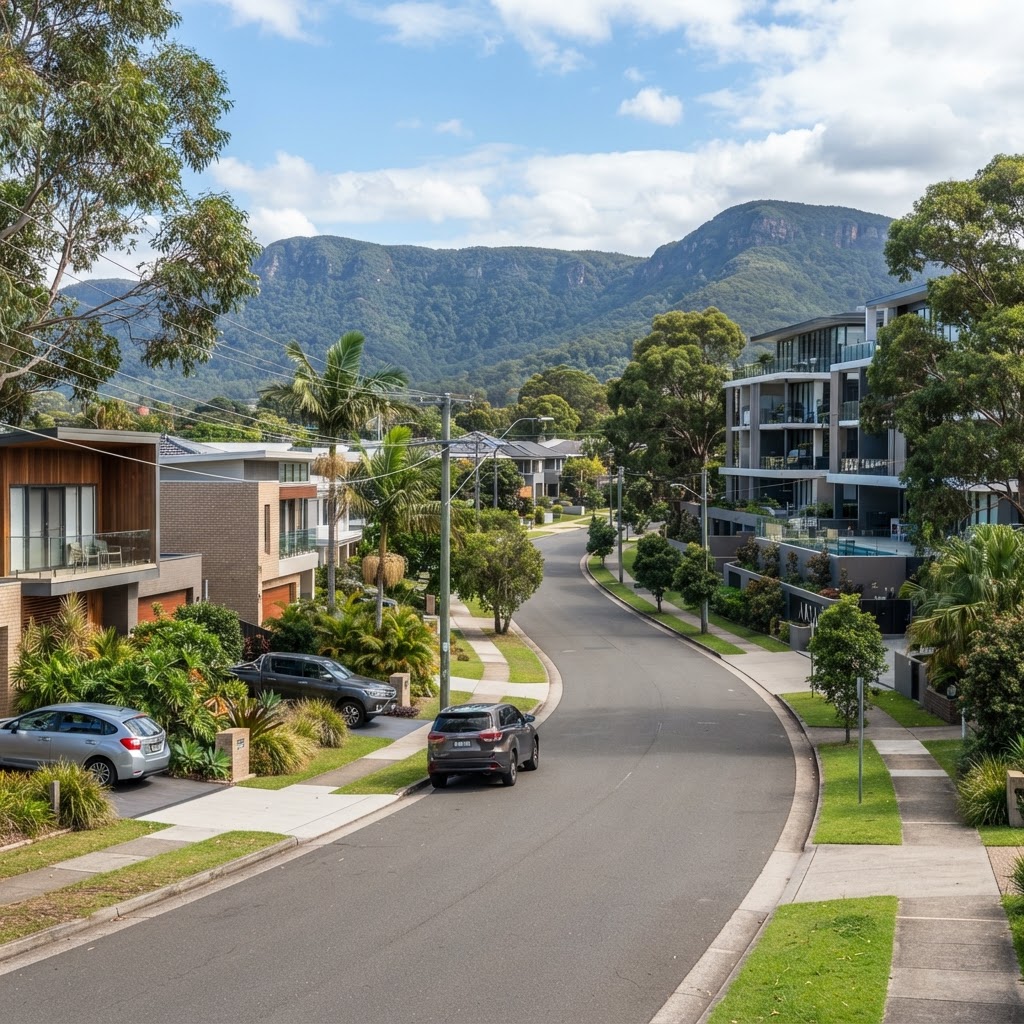
Wollongong's rental market has rarely been more difficult to read. Vacancy rates across the Illawarra region remain historically low, leaving tenants competing fiercely for a shrinking pool of available properties while landlords grapple with rising insurance costs, land tax thresholds, and the operational burden of NSW's tenancy law changes that took effect in late 2024.
The pressure matters now because the forces driving it are not easing. Continued price growth in Sydney's south has pushed owner-occupier buyers beyond their budgets, keeping them in the rental pool longer than they planned. Meanwhile, a wave of would-be first-home buyers, including the Gen Z cohort nationally who, despite the odds, still say they want to own, are parked in Wollongong rentals while they save deposits against a NSW median that has settled around $860,000. Every month that passes without a purchase is another month those households occupy a rental that might otherwise turn over.
From Fairy Meadow to Warrawong: A Market Splitting in Two
The suburb gap inside Wollongong itself is widening. Coastal pockets, Thirroul, Fairy Meadow, and the stretch of Crown Street cafes and terrace houses running toward Wollongong CBD, are commanding weekly rents that tenants say have climbed sharply over the past 18 months. Properties within walking distance of Thirroul Beach or the Fairy Meadow rail corridor, which gives commuters a direct line to Sydney's southern suburbs, attract multiple applications within days of listing, according to agents active in those markets.
Further south and inland, the story is different. Suburbs like Warrawong, Dapto, and Berkeley still offer comparatively affordable rentals, but even those have absorbed upward pressure. Tenants being priced out of Wollongong's northern suburbs are moving into those areas, tightening what was once considered the city's rental safety valve. Community legal services including the Illawarra Legal Centre on Crown Street have reported increased enquiries from tenants facing lease non-renewals or rent increases they cannot absorb, a pattern consistent with a market where landlords who previously held rents steady are now adjusting to cover higher holding costs.
For landlords, the arithmetic has become uncomfortable in its own way. NSW land tax changes and insurance premium increases have pushed up the cost of holding investment property, particularly for smaller operators who own one or two units in buildings along the Wollongong CBD fringe or near the University of Wollongong's Keiraville campus. Several local property management firms, including those operating on Keira Street and around Wollongong's central business district, have noted that some landlords are exiting the rental market entirely and listing for sale, which temporarily reduces supply rather than easing it.
What Tenants and Landlords Should Watch
The University of Wollongong's academic calendar adds a seasonal dimension that makes July particularly volatile. The mid-year intake brings an influx of domestic and international students seeking rentals in Keiraville, Gwynneville, and North Wollongong, all within cycling distance of campus, at precisely the moment supply is at its tightest. Students competing against established working households for the same two-bedroom units is a dynamic that repeats annually but intensifies each year the overall vacancy rate stays compressed.
Practically, tenants currently holding leases due for renewal should engage early, at least 60 days before expiry, and be prepared to negotiate rather than simply accept the first figure offered. NSW Fair Trading's rental bond data, updated quarterly, provides a reference point for what comparable properties in specific suburbs are actually achieving, which gives both sides a factual basis for conversation. Tenants experiencing hardship can also contact Wollongong's Illawarra Legal Centre or the Tenants' Union of NSW for advice specific to their circumstances before signing anything.
For landlords weighing whether to sell or hold, the calculus depends heavily on individual land tax exposure and whether their property falls inside the tightly contested coastal corridor or in the city's outer ring. Either way, the second half of 2026 is unlikely to deliver the relief either side of the rental relationship is waiting for.
This article is general information only and is not personal financial or investment advice. Consider your own circumstances and seek licensed professional advice before making financial decisions.