property
Wollongong Investor Yields: What the Numbers Actually Show
Rental returns across the Illawarra are outpacing many Sydney suburbs, and the data is drawing serious attention from interstate buyers.
How we reported this
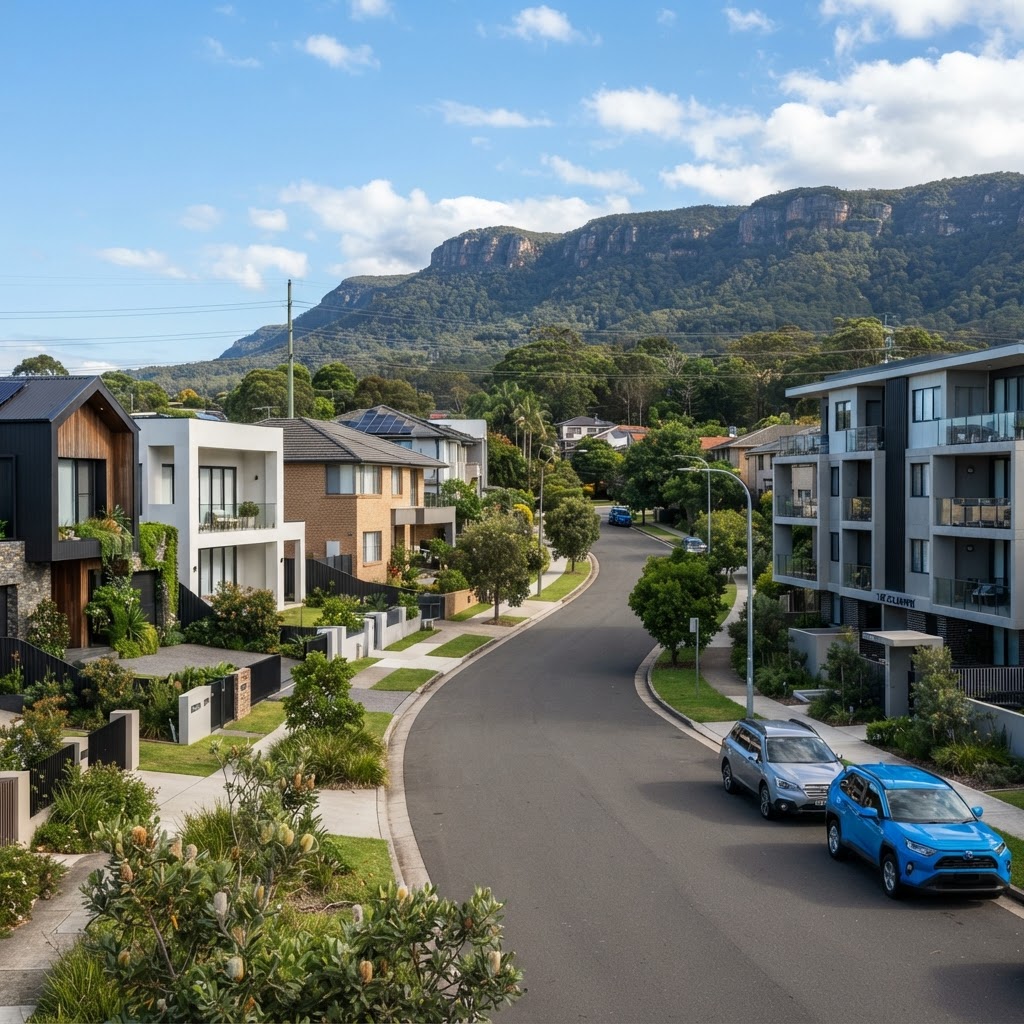
Wollongong's property market is delivering gross rental yields that Sydney's inner suburbs haven't seen in years, with units in the CBD and surrounding precincts tracking above 4.5 per cent at the midpoint of 2026, a figure that stands well above comparable stock in suburbs like Newtown or Marrickville, where yields have compressed below 3.5 per cent on many streets.
The timing matters. With the NSW median house price sitting around $860,000, Wollongong continues to offer a relative entry point for investors who have been priced out of Sydney's eastern and inner-western corridors. The combination of lower buy-in costs, tight rental vacancy, and the city's ongoing CBD renewal program has sharpened interest from buyer's agents operating out of both Melbourne and Brisbane, not just Sydney.
Where the Numbers Are Strongest
Crown Street and Keira Street in the Wollongong CBD are among the addresses generating the most consistent inquiry. Two-bedroom units along these strips, particularly in blocks built after 2010 that meet modern energy standards, are achieving weekly rents in the $550 to $620 range, according to listings visible on major portals this week. At purchase prices in the $600,000 to $680,000 band, that puts gross yields comfortably above 4.7 per cent before costs.
Fairy Meadow tells a different story. The coastal strip between Fairy Meadow Beach and the northern edge of Towradgi commands a premium that has compressed yields closer to 3.8 per cent for houses, even as rents have climbed. A three-bedroom house in Fairy Meadow that cleared $1.1 million at auction earlier this year and renting for $800 per week illustrates the ceiling, the capital growth story is compelling, but the yield arithmetic tightens fast at those price points. Thirroul, further north along the Lawrence Hargrave Drive corridor, faces the same dynamic: prestige premiums that buyers pay for lifestyle and proximity to the train line are eating into cash-on-cash returns.
The better pure-yield plays right now are in suburbs like Warrawong and Unanderra, where median house prices remain below $750,000 and rental demand from workers tied to Port Kembla and the BlueScope Steel operations stays structurally firm. Warrawong, in particular, has seen vacancy rates stay thin throughout 2025 and into this year, making it a lower-drama option for investors who prioritise tenancy continuity over glamour.
What the Broader Market Is Telling Investors
Melbourne's auction market has hit rough conditions this winter, with clearance rates under significant pressure. Some interstate investors who might otherwise have chased Victorian yields are redirecting attention toward the Illawarra, where the fundamentals look more straightforward right now. Sydney overflow migration, families and workers moving south along the Princes Highway and the South Coast rail line, has kept Wollongong's rental pool deep.
The University of Wollongong's campus on Northfields Avenue remains a structural driver for unit demand, particularly for one- and two-bedroom stock in Gwynneville and Keiraville. These suburbs sit within a fifteen-minute walk of the main campus gates and consistently attract student tenants, international postgraduates, and young professionals employed at the Innovation Campus on Squires Way. Vacancy in these pockets tends to rebound seasonally in January and July with university intake cycles, but landlords who hold through those windows have generally experienced solid full-year occupancy.
One genuine risk sitting in the numbers: the interest rate environment still shapes serviceability hard. An investor buying a $650,000 unit in the CBD with an 80 per cent loan-to-value ratio is carrying mortgage repayments that absorb a significant portion of gross yield before body corporate fees, management fees, and maintenance. Net yields after all holding costs typically land 1.5 to 2 percentage points below the gross figure, a gap that buyers should stress-test carefully before committing.
For investors weighing their next move, the practical advice from experienced local property managers is consistent: focus on post-2000 stock that avoids major capital expenditure in the near term, target suburbs with genuine employment anchors beyond just university intake, and factor in the Wollongong City Council's ongoing CBD renewal investment, which is supporting foot traffic and amenity along Crown Street in ways that underpin long-term rental demand. The numbers are genuinely competitive, but they reward due diligence over impulse.
This article is general information only and is not personal financial or investment advice. Consider your own circumstances and seek licensed professional advice before making financial decisions.