property
Wollongong house prices up 6.2% on last year but quarterly gains are slowing
Annual growth still outpacing Sydney in several pockets, but the June quarter tells a more cautious story for buyers and sellers across the Illawarra.
How we reported this
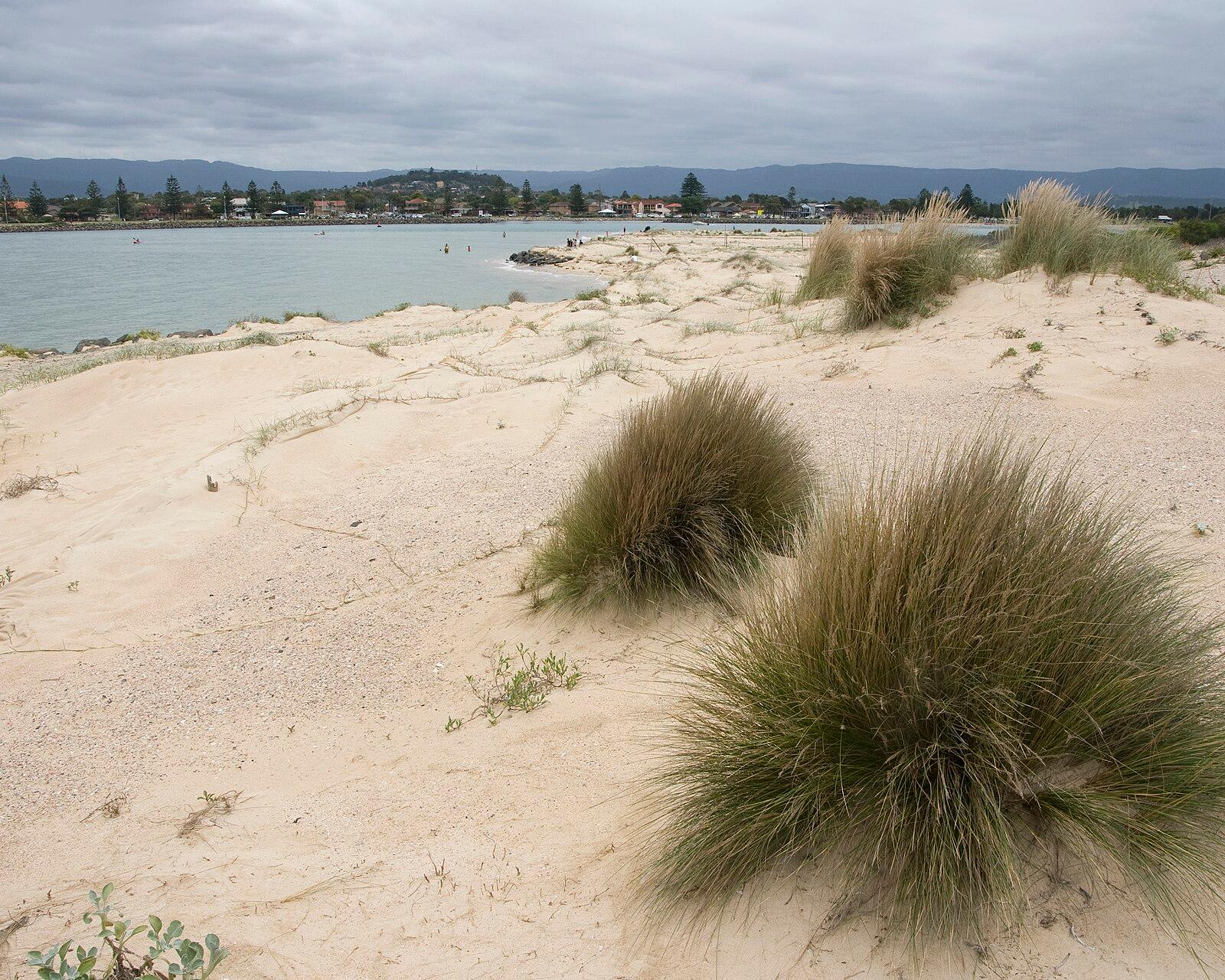
Wollongong's median house price has climbed to approximately $915,000 as of the June quarter 2026, according to data compiled by the Illawarra region's leading property research groups, a 6.2 per cent rise on the same period last year, when the median sat closer to $861,000. But strip out the annual comparison and the picture gets complicated: quarter-on-quarter, prices grew just 1.1 per cent between April and June, the softest three-month result since mid-2024.
That slowdown matters because Wollongong has spent two years positioning itself as the pressure valve for Sydney's housing crisis. With the Illawarra Escarpment to the west and the Pacific to the east, there's a hard ceiling on how much new land can be released. Every uptick in Sydney's cost of living sends another cohort of buyers south down the Princes Highway, and the city's relative affordability, at least compared to Cronulla or Sutherland, has kept demand unusual firm. A quarterly stall right now suggests that buffer may be thinning.
Coastal suburbs still commanding a premium
Thirroul and Fairy Meadow continue to anchor the Illawarra's prestige end. Median prices in Thirroul pushed past $1.35 million in the June quarter, up from roughly $1.21 million in June 2025, an annual gain of around 11.6 per cent that has left some long-time locals openly stunned. Properties on Lawrence Street and Railway Parade with ocean glimpses have been routinely clearing $1.5 million at auction, with buyer's agents from Sydney reportedly camping at open homes on weekends.
Fairy Meadow's median came in near $1.08 million for the quarter, a 7.4 per cent annual rise. The suburb's proximity to the University of Wollongong's Innovation Campus on Squires Way has kept investor interest steady, particularly in older brick semis within walking distance of Fairy Meadow train station. Further south, Figtree saw more modest annual growth of around 4.8 per cent, with a June quarter median of approximately $875,000, still above the broader NSW median of $860,000 flagged by national researchers.
Wollongong CBD itself is a different conversation. Unit prices in the city centre have lifted 5.1 per cent year-on-year to a median around $610,000, partly on the back of the ongoing Crown Street Mall precinct renewal and continued apartment completions near the western edge of the CBD. The Wollongong City Council's Local Strategic Planning Statement, which targets 10,000 additional dwellings across the LGA by 2036, has developers watching closely, but supply hasn't yet moved the needle on prices.
What the numbers mean for buyers right now
The June quarter deceleration almost certainly reflects interest rate reality. The Reserve Bank of Australia cut the cash rate in February and again in May 2026, but mortgage serviceability buffers remain at 3 per cent above the lending rate under APRA rules, meaning borrowing capacity for most households hasn't recovered to its 2021 peak. First-home buyers using the NSW government's First Home Buyer Assistance Scheme, which exempts purchases under $800,000 from stamp duty, are finding that threshold increasingly irrelevant in suburbs like Corrimal and Balgownie, where entry-level houses now regularly exceed $850,000.
Downsizing households face a separate squeeze. Families trying to sell larger four-bedroom homes in suburbs like Keiraville and Mount Keira are encountering longer days-on-market, some properties sitting for 45 to 60 days before finding a buyer, even as annual price growth suggests a healthy market on paper. The mismatch between seller expectations set by the annual figures and buyer caution shaped by quarterly data is creating friction at the negotiating table.
For anyone transacting in the Illawarra before September, the practical advice from experienced local agents is consistent: price to the current quarter, not last year's peak. Annual growth headlines are real, but the June quarter has signalled that Wollongong's market is recalibrating rather than accelerating. Sellers who anchor to 2025 comparisons risk sitting unsold while buyers, increasingly armed with comparable sales data, hold their ground.
This article is general information only and is not personal financial or investment advice. Consider your own circumstances and seek licensed professional advice before making financial decisions.