policy
UOW job cuts and school enrolment reform: what Wollongong's changing education landscape means for local families
The University of Wollongong is cutting 92 jobs and closing four courses, while NSW public schools are opening doors to more temporary visa students, here's how the twin shifts affect Wollongong residents.
How we reported this
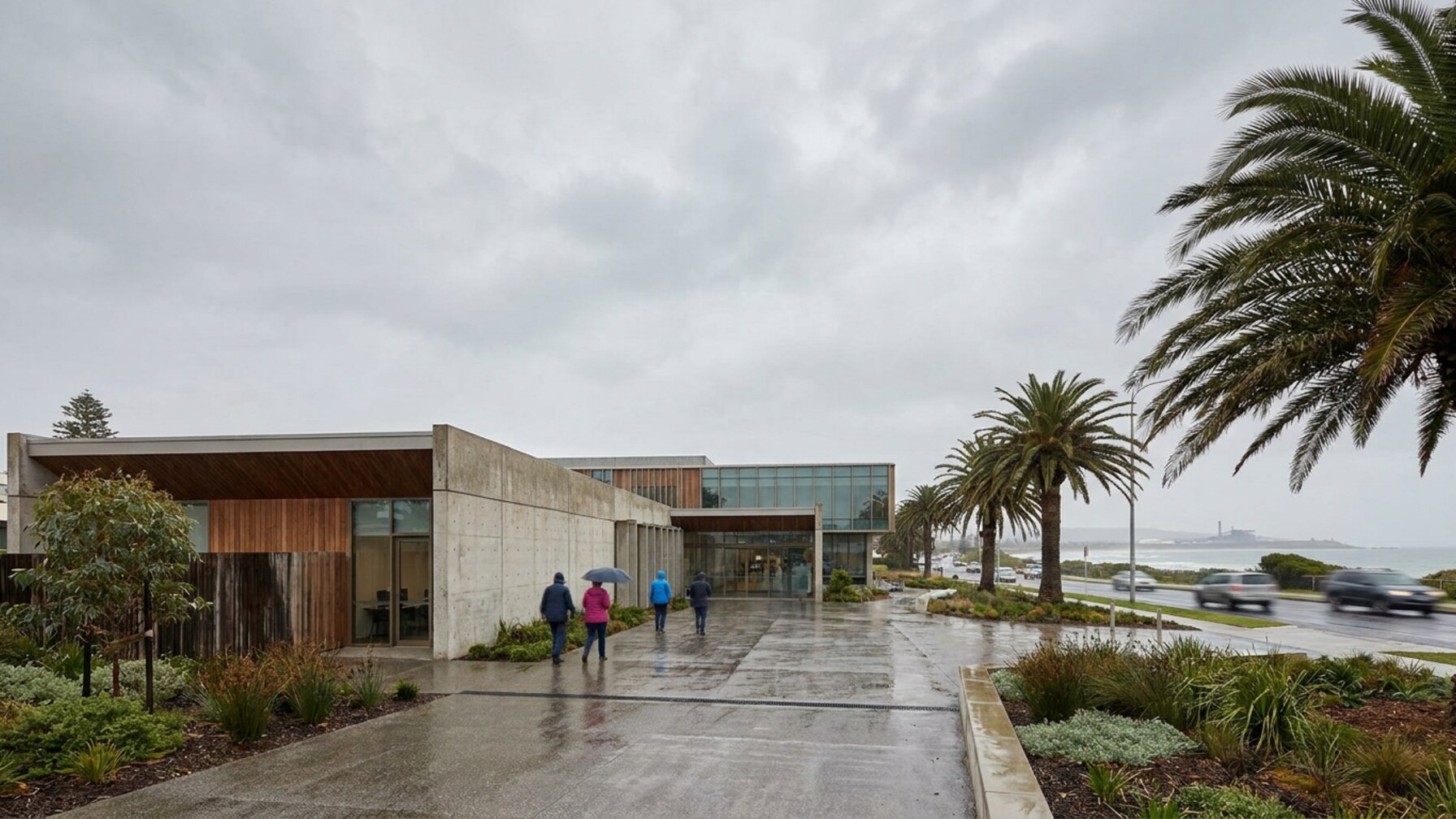
Wollongong's education sector is undergoing significant change on two fronts, the University of Wollongong has confirmed plans to axe 92 jobs and close four courses, while NSW public school enrolment policy has been overhauled for 2025 to allow all temporary resident visa students to enrol based on their residential address. For local families, students and educators, the shifts carry real consequences.
University of Wollongong restructures as international student limits bite
The University of Wollongong announced it needs to find A$21 million in savings, a shortfall driven directly by Australian government restrictions on international student enrolments. As part of the restructure, four courses will close: cultural studies, Japanese, Mandarin, and science and technology studies. The university says the cuts are necessary to ensure financial sustainability. Job losses will affect academic and professional staff across multiple faculties. Wollongong residents who rely on the university as a major employer, or whose children are enrolled in those programs, are directly impacted. The university has stressed it remains committed to its core teaching and research mission, and it continues to support the Australian Universities Accord, a landmark report proposing to overhaul higher education by expanding regional access, introducing a needs-based funding model, and encouraging international students to study in regional areas like the Illawarra.
Public school enrolment rules shift for temporary visa holders
From Term 1 2025, NSW public schools will accept enrolments from all temporary resident visa students based on their home address, regardless of visa subclass. The policy change removes previous restrictions that limited access for some temporary visa categories. The policy goes further by waiving school fees for families holding a regional Temporary Skills Shortage visa (subclass 482) who live outside Sydney and Wollongong. For Wollongong families, the change means their local public school may welcome new classmates from a wider range of temporary visa backgrounds, particularly if those families work in skilled occupations needed in the region. The policy also streamlines the enrolment process, removing a layer of paperwork for visa-holder families already living in the Wollongong area.
Meanwhile, the City of Wollongong has developed a draft Learning City strategy covering 2025-2029. The strategy prioritises digital inclusion, sustainable education and early learning, with long-term goals to embed lifelong learning across local governance and climate action. It reflects a growing recognition that education policy in Wollongong is not just about schools and universities, it is woven into economic development, community wellbeing and the city's future direction. The draft strategy is expected to be open for public comment before council adoption.
At the federal level, December 2024 saw the passage of Universities Accord amendments to the Higher Education Support Act 2003. The new laws adjust HELP indexation to make student debt more manageable, a change welcomed by many graduates, and require universities to distribute 40% of Student Services and Amenities Fees to student-led organisations, giving students more direct control over how those funds are spent. The University of Wollongong has already begun implementing these changes, which affect every enrolled student in the city.
What happens next depends on how the twin pressures of university restructuring and school enrolment growth play out against each other. For families in Wollongong, the coming months will determine whether the city's education system emerges stronger, or whether more cuts await.