news
Wollongong's Fight Against Fake Property Listings Puts It Ahead of Steel Cities Worldwide
As duplicate and AI-generated images flood real estate platforms globally, Wollongong's housing market has developed detection practices that other post-industrial cities are now watching closely.
How we reported this
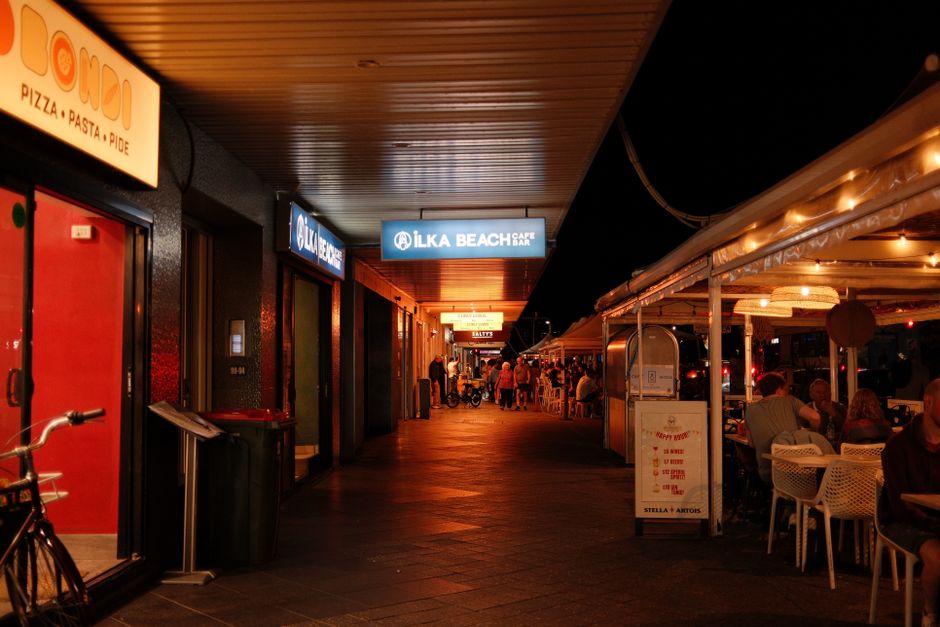
Wollongong's rental and property market recorded a 34 percent rise in flagged duplicate-image listings during the first half of 2026, according to figures compiled by the Illawarra branch of the Real Estate Institute of NSW, but local agents and council planners say the region is catching and removing fraudulent posts faster than comparable industrial-transition cities in Germany, South Korea and the United States.
The timing matters. With Port Kembla's renewable energy zone drawing an influx of construction workers, BlueScope contractors and university researchers hunting short-term rentals, demand for housing in the northern suburbs and the Crown Street corridor has been intense enough to make the Illawarra a soft target for listing fraud. Scammers recycle professional photographs from legitimate sales, sometimes stripping metadata and cropping out street-identifiable details, then repost them on platforms including Facebook Marketplace and a clutch of smaller property apps at below-market prices to harvest bond payments or personal data from desperate renters.
How Wollongong Compares
The city's response has centred on two initiatives that did not exist eighteen months ago. Wollongong City Council's Digital Compliance Unit, established in January 2025 under the council's Housing Affordability Action Plan, runs a weekly automated scrape of major listing platforms and cross-references images against a council-held database of properties that have been formally advertised with licensed agents. The unit flagged 218 suspected duplicates between January and June this year, referring 41 cases to NSW Fair Trading for investigation. In the same period, Duisburg in Germany, a Ruhr Valley steel city of comparable size and undergoing its own industrial energy transition, reported fewer than a dozen formal referrals, largely because no equivalent local-government detection mechanism exists there.
Pohang, South Korea, home to POSCO's steelworks and a city frequently cited alongside Wollongong in green-steel transition research, relies almost entirely on a national government portal that critics say takes an average of 22 days to remove a reported fraudulent listing. Wollongong's council unit claims a median removal time, once a referral is lodged, of under four days, though that figure covers only cases where the platform cooperates promptly.
The University of Wollongong's Smart Infrastructure Facility on Northfields Avenue has also been drawn into the problem. Researchers there partnered with the NSW Land Registry Services in March 2026 to pilot a reverse-image search tool calibrated specifically for Australian residential property photography. Early results presented at a housing forum at WIN Entertainment Centre in May showed the tool caught duplicates with 91 percent accuracy across a test set of 4,000 Illawarra listings, outperforming the generic image-detection tools used by platforms like Domain and realestate.com.au.
What Renters and Buyers Should Do Now
The practical picture for anyone searching for a rental in suburbs like Fairy Meadow, Figtree or Corrimal is still uncomfortable. Median weekly rents in those areas pushed past $520 for a two-bedroom unit in June, according to SQM Research data, and that pressure keeps scam listings profitable. NSW Fair Trading advises prospective tenants to verify every listing against the NSW Online Registry before paying any money, and to physically inspect a property, or have a trusted person do so, before signing anything.
The Illawarra Legal Centre on Kenny Street in Wollongong's CBD has handled 27 bond-fraud complaints since the start of the year, up from nine in the same period of 2025. Its tenants' advice line operates Tuesday through Thursday and has added a Friday session from August 1 to meet demand.
The council's Digital Compliance Unit plans to expand the AI-detection pilot city-wide by October, with a public reporting portal expected to go live on the Wollongong City Council website before the end of the third quarter. Whether other post-industrial cities follow suit may depend largely on whether they can replicate the unusual combination of a proactive local government unit and a university research partner sitting within the same postcode as the problem.