news
Port Kembla Residents Debate Jobs Versus Infrastructure Strain in Energy Expansion
As the Port Kembla renewable energy hub grows, locals weigh hopes for jobs against concerns over infrastructure strain and rising property pressures.
How we reported this
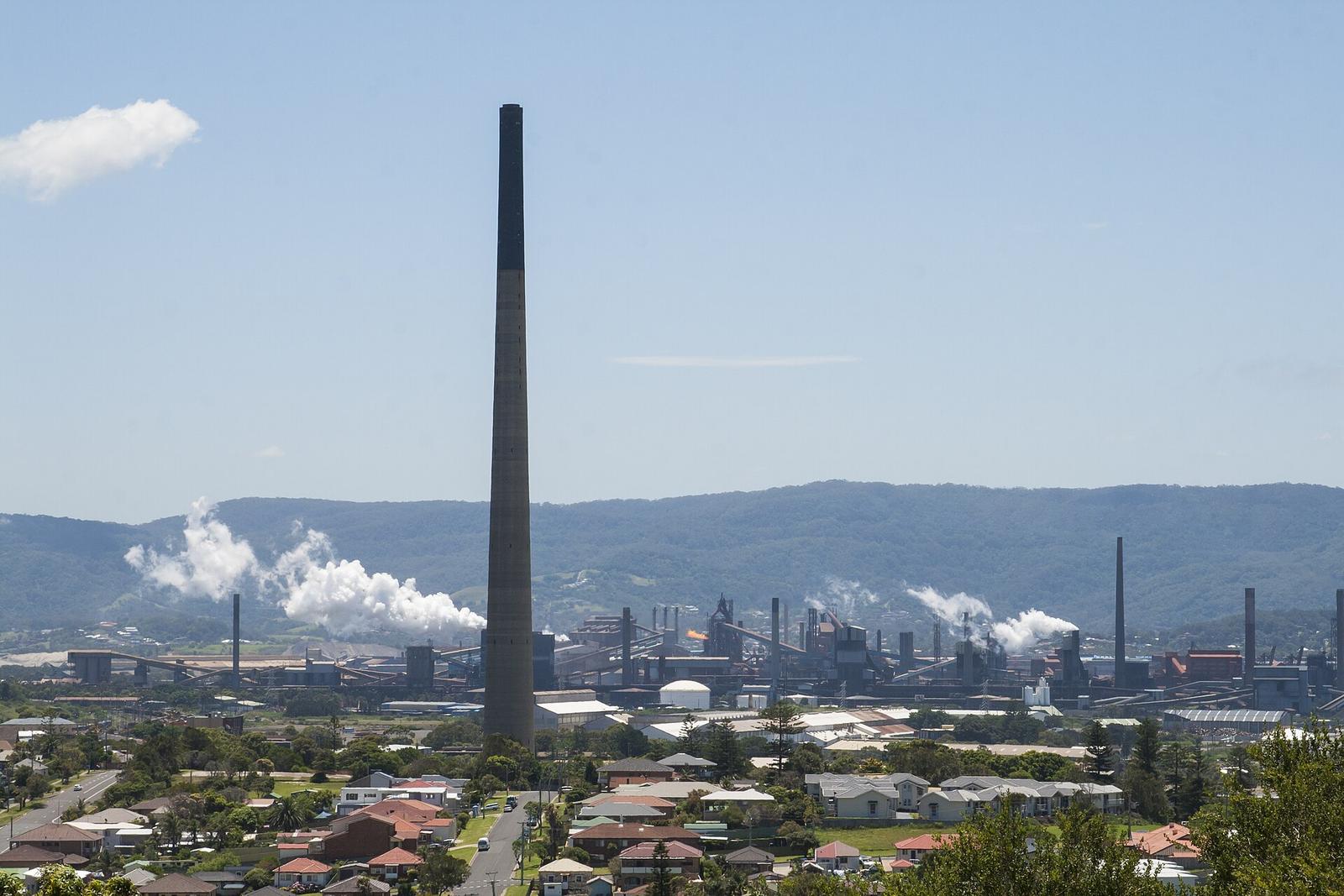
The proposed expansion of the Port Kembla renewable energy zone is reshaping conversations in neighbourhoods across the Illawarra, with residents offering starkly different visions of what the industrial transition means for their community.
The renewable energy precinct, anchored by BlueScope Steel's green steel ambitions and supported by the Illawarra Shoalhaven regional development fund, promises significant employment opportunities. Yet residents across Woonona, Port Kembla, and surrounding suburbs report mixed feelings about the pace and scale of change.
In conversations across the precinct, community members have voiced enthusiasm tempered by practical concerns. Local service providers and small business operators cite hope for expanded economic activity, noting the region has long depended on traditional heavy industry. However, they also express worry about whether existing infrastructure-particularly transport networks between suburbs like Corrimal and the industrial hub-can handle increased workforce demand.
Housing affordability emerges as a recurring concern. Property values in Port Kembla have already experienced significant fluctuations as investor interest grows. Renters and first-home buyers in Wollongong's outlying neighbourhoods report increasing pressure, with median house prices across the Illawarra approaching $800,000, substantially higher than regional NSW averages.
Local community advocates have highlighted the importance of planning decisions that prioritise existing residents. Representatives from neighbourhood associations emphasise that while industrial growth creates opportunities, it must be balanced against quality-of-life considerations-access to local schools, medical facilities, and green spaces remain priorities for families who have established roots here.
Workforce development has emerged as another focal point. Workers transitioning from traditional steelmaking roles to renewable energy sectors will require retraining support. Local training organisations and the university economy centred at the University of Wollongong have begun developing pathways, though some residents question whether these programs will adequately prepare local jobseekers.
There is broad acknowledgment that the shift toward green steel represents inevitable change. Few dispute the environmental imperative or the economic necessity of transitioning away from carbon-intensive industries. The tension, rather, lies in how quickly this transition occurs and who bears its social costs.
Community leaders are calling for greater transparency in planning processes and more structured consultation with residents before major expansion decisions. Several neighbourhood groups have requested quarterly forums where residents can engage directly with developers and government representatives overseeing the renewable energy zone's growth.
As The Daily Wollongong has reported, the coming months will be critical. The Port Kembla precinct represents genuine opportunity for the Illawarra, but realising that potential while protecting community cohesion requires listening to-and acting on-the voices already shaping this region's future.