finance
Steel, Coal and the Sea: What Today's Markets Mean for Wollongong Workers
From the BlueScope furnaces to the Port Kembla terminals, the day's global market moves carry real consequences for the Illawarra's industrial heartland.
How we reported this
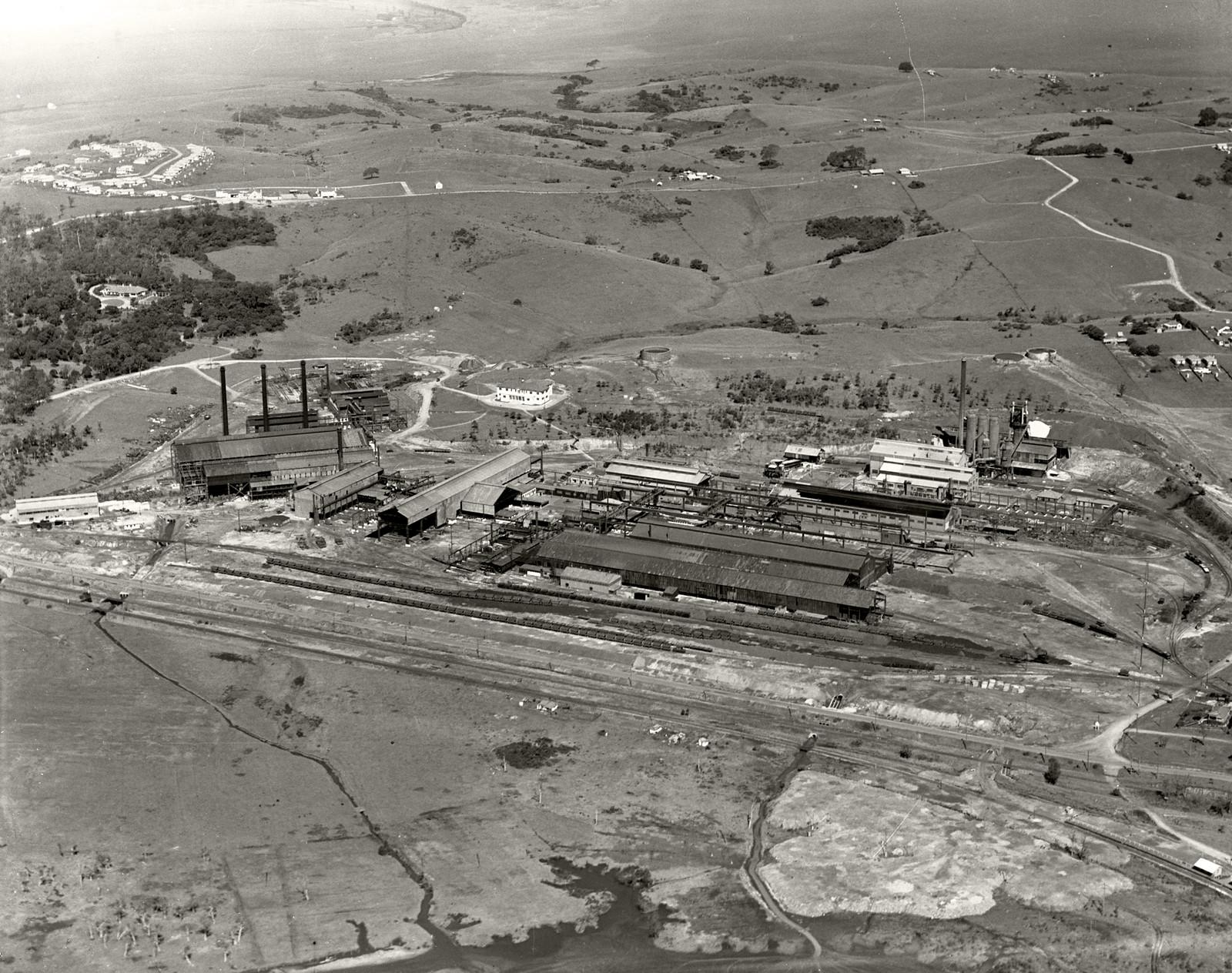
Wollongong's economy does not run on algorithms. It runs on steel, coal exports, construction materials and the wages of the workers who produce them. That industrial backbone makes this city unusually sensitive to a specific cluster of commodity and equity signals, and today's session delivered a mixed but broadly constructive picture for the region's key sectors.
Copper edged up 0.36% to US$6.353 a pound, a quiet but meaningful move for a city whose manufacturing supply chains depend on the metal as an input cost indicator. Platinum gained 0.39% to US$1,637.90, while Brent crude eased 0.33% to US$84.45 a barrel and WTI crude slipped 0.38% to US$79.04. Softer oil prices translate, with a lag, into lower diesel and transport costs for the heavy haulage that connects Port Kembla to the rest of the state. That is a modest tailwind for local logistics operators and the businesses they serve, even if it will not show up at the bowser immediately.
On the local bourse, the All Ordinaries climbed 0.35% to 9,034.6 and the ASX 200 added 0.37% to close at 8,841.1. Neither move is dramatic, but sustained gains in Australian equities matter to the Illawarra's large cohort of trade-exposed workers whose superannuation funds hold significant domestic equity weightings. A session like today does not rescue a retirement balance, but it chips away in the right direction for the thousands of Wollongong households with industry super accounts tied to the resources and materials sectors.
Asia's Gains Matter More Than Wall Street for This City
The headline number from overnight trade that deserves the most attention in Wollongong is not from New York. The Hang Seng surged 1.93% to 24,681.1 and the Nikkei 225 jumped 1.49% to 68,751.51, while Singapore's Straits Times Index rose 1.63% to 5,559.72. Those are the markets that sit closest to the buyers of Australian coal and steel products, and a broad lift in Asian risk appetite tends to support demand for the raw materials that leave Port Kembla's terminals. When regional manufacturers and traders feel confident enough to push indices higher in Hong Kong, Tokyo and Singapore simultaneously, the downstream effect on Australian commodity export volumes is worth watching over the weeks ahead.
Wall Street's session was more subdued. The S&P 500 rose 0.24% to 7,533.59 and the Nasdaq gained 0.86% to 26,095.623, led by technology stocks that have little direct bearing on Wollongong's industrial mix. The Dow Jones edged down 0.05% to 52,471.78, a rounding-error move that signals neither alarm nor euphoria from American equity markets. The CAC 40 added 0.19% to 8,382.43 and the FTSE 100 gained 0.17% to 10,515.92, suggesting European markets are holding steady rather than driving global sentiment today. The DAX was the outlier, slipping 0.46% to 24,999.53, a reminder that Germany's manufacturing-heavy economy is navigating its own headwinds.
In safe-haven assets, gold fell 0.49% to US$4,041.30 an ounce and silver dropped a sharper 1.96% to US$57.62. Precious metal pullbacks of this kind typically reflect a rotation toward riskier assets rather than outright pessimism, consistent with the positive tone across Asian indices. Natural gas was nearly flat, easing just 0.07% to US$2.902, which is broadly neutral for the energy-intensive industrial operations around Port Kembla. In digital assets, Bitcoin nudged up 0.24% to US$65,112.16 and Ethereum gained 1.65% to US$1,920.66, while XRP added 0.51% to US$1.1168. Solana slipped 0.13% to US$77.66, Dogecoin fell 0.53% to US$0.07405 and BNB eased 0.43% to US$579.26.
The overall picture for Wollongong is one of cautious momentum rather than any decisive turn. Asian strength is the most locally relevant signal of the session, commodity prices are not threatening the margins of the city's export-oriented industries, and domestic equities are holding ground. For workers, business owners and savers in the Illawarra, today's markets are a reminder that this city's fortunes are tied as tightly to the ports of East Asia as they are to the trading floors of Sydney or New York. Keeping that geographic reality in mind is as important as watching any single index move.
This article is general information only and is not personal financial or investment advice. Consider your own circumstances and seek licensed professional advice before making financial decisions.