culture
The History and Evolution of Wollongong's Local Culture Scene
Wollongong's arts and performance spaces have shifted from scattered community halls to coordinated venues that draw regional audiences year after year.
How we reported this
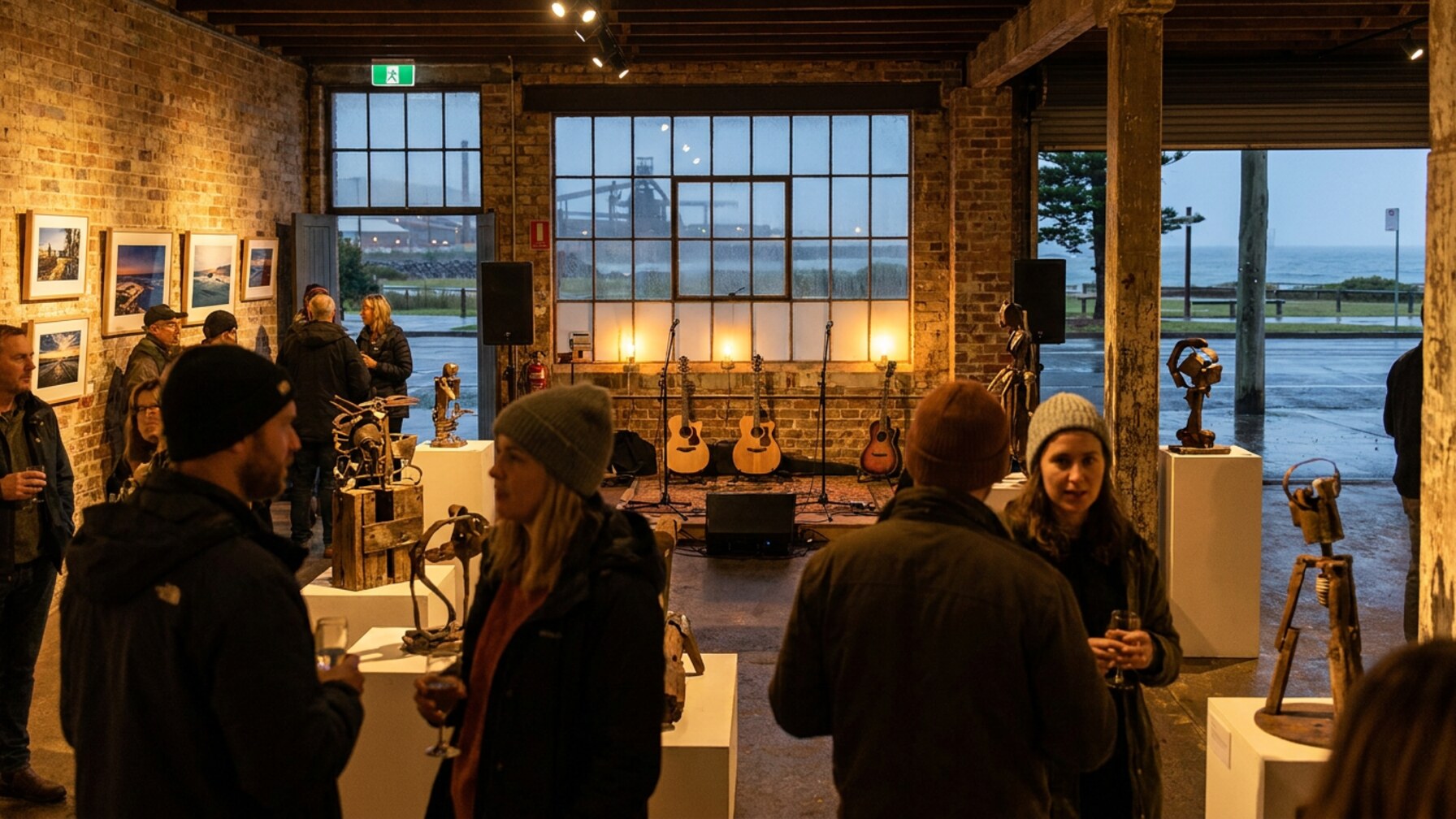
Wollongong's culture scene marked another step in its long shift when the Illawarra Performing Arts Centre added a new community workshop series this month that runs alongside its main stage program on Burelli Street.
The change matters now because the city continues to balance its industrial past with steady growth in arts activity that reaches both long-term residents and newer arrivals from Sydney and beyond.
Early venues and later additions
Performances once centred on the Wollongong Town Hall and small rooms along Crown Street Mall, where local theatre groups staged shows in the 1970s and 1980s. The scene expanded when the Illawarra Performing Arts Centre opened its doors in 1993 and began hosting touring companies alongside home-grown productions. Neighbourhood spots such as the Thirroul Railway Station Museum later joined in with regular music nights that tie local history to contemporary work.
Attendance records show the centre drew 87,000 visitors in the 2024-25 financial year, up from 62,000 a decade earlier, according to its annual report. Ticket prices for main stage events now average $45, while the new workshops cost $25 per session and run through to December.
Next steps for audiences
Residents can book workshop places through the centre's website or pick up printed schedules at the Crown Street information desk. The next block of sessions begins on 28 July and covers script writing and stage design.