culture
The History and Evolution of Wollongong's Local Culture Scene
Wollongong's arts venues and programs have shifted from steel-town gatherings to established institutions that now draw regional audiences.
How we reported this
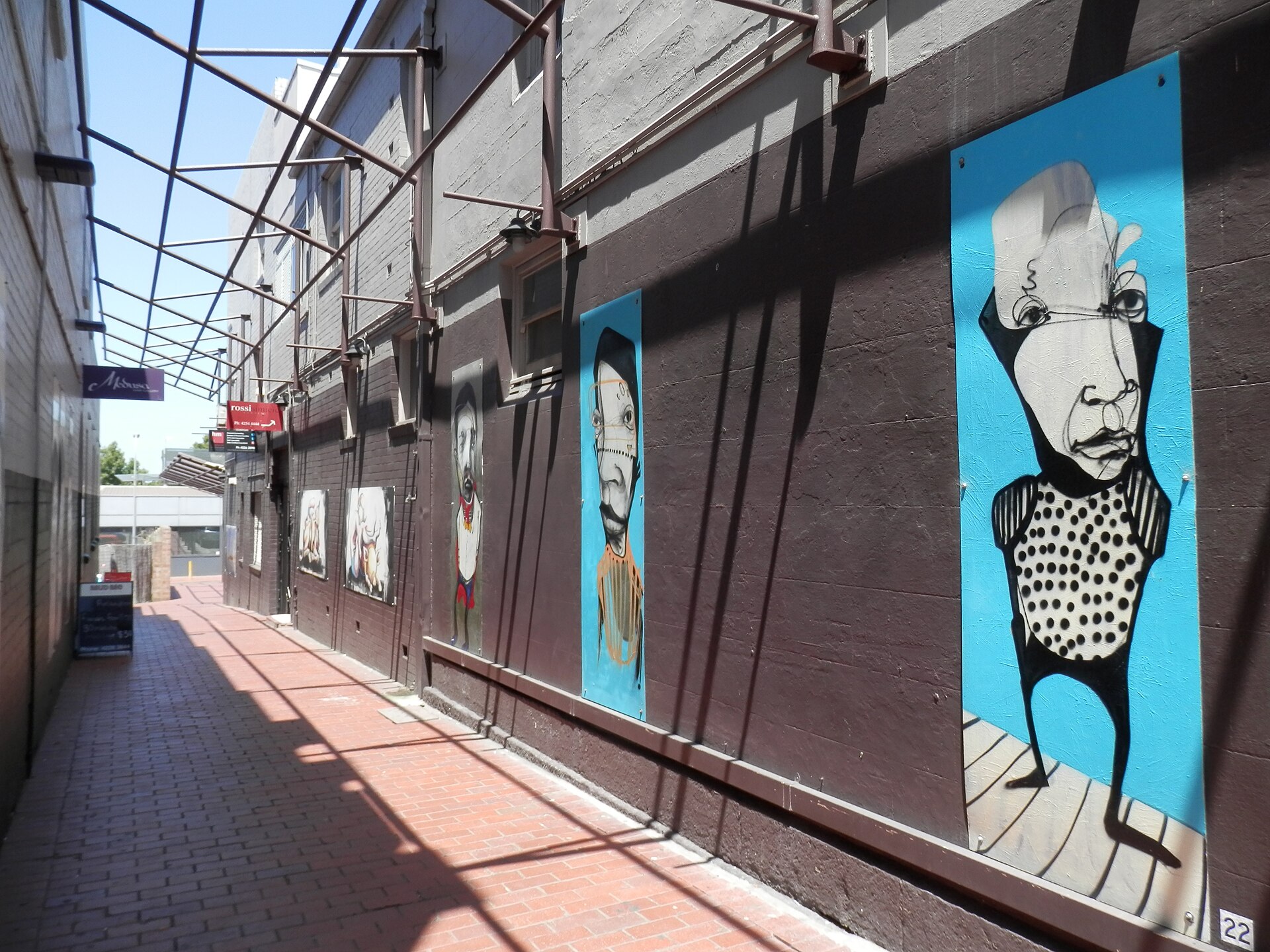
Wollongong Art Gallery on Burelli Street marked its 48th year of operation in 2026 with a program that includes works drawn from its founding collection started in 1978.
The city's culture sector expanded after the closure of major steel operations in the 1990s, when local councils and arts groups redirected funding toward public exhibitions and performance spaces. This change matters now because visitor numbers have recovered from 2020 lows and new grants from the state government support extended opening hours at multiple sites.
Early sites and later additions
Two venues illustrate the shift. The gallery on Burelli Street began with a single room of local paintings and now holds more than 3,000 objects. The Illawarra Performing Arts Centre on Market Street, opened in 1994, added a second stage in 2012 and hosts touring productions alongside resident companies that rehearse in adjacent rooms on Crown Street.
Attendance records kept by Wollongong City Council show 142,000 visits to council-run cultural programs in the 2024-25 financial year. Ticket prices at the performing arts centre average $45 for main-stage shows, while gallery entry remains free on Thursdays.
Current programming and access
Exhibitions scheduled through December 2026 at the Burelli Street site focus on regional artists who first showed work there in the 1980s. The performing arts centre lists eight local premieres between July and October.
Residents can check the council website for free entry days and book seats directly through the centre's box office to follow the same venues that have operated since the 1970s and 1990s.